

Hi, I’m Kevin Hayler. I’ve spent over 20 years drawing wildlife using just pencils and paper.
Along the way, I’ve seen amazing places and incredible animals, and I’ve tried to capture them in as much detail and character as I can.
This is a collection of 85 of my pencil drawings of animals. Some were sketched after seeing animals in the wild, others from zoos or sanctuaries, and a few are animals I stumbled upon by chance.
Maybe these drawings will spark some drawing ideas for your own art, or inspire you with what can be acheived with pencil and paper.
I hope you enjoy browsing through them and maybe get inspired to try drawing wildlife yourself.

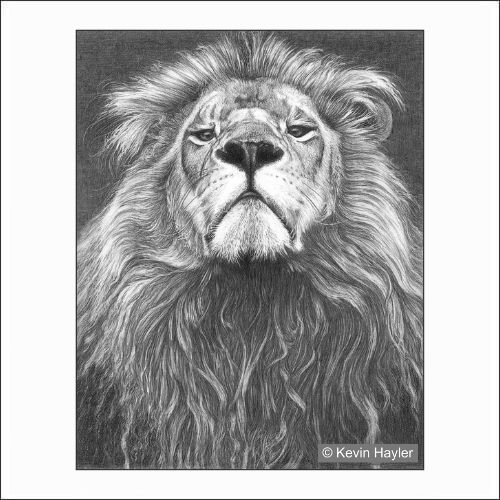
Male African Lion
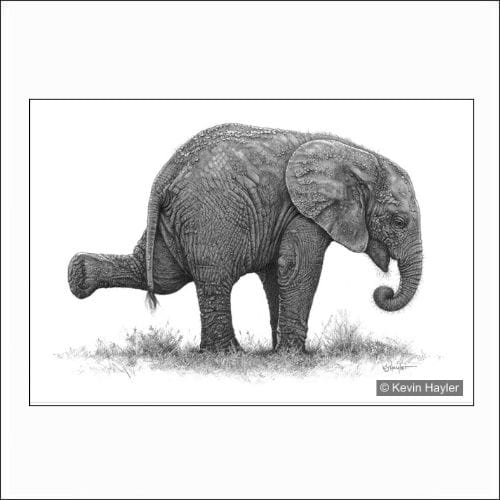
Baby African Elephant

African Penguins


A Male Rothschild’s Giraffe

A Red Deer Stag
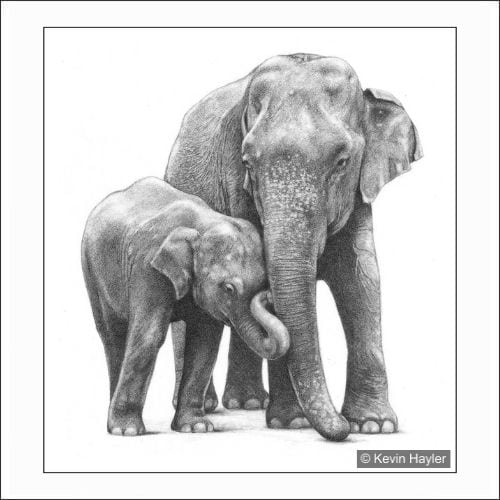
Sri Lankan Asian Elephants
Limited vs Open Edition Prints
All of the larger images you’ll see on this page were printed as limited editions, all but one edition, in runs of 350 prints.
Back then, I thought it made sense to offer both open and limited editions. Most of my living came from selling open editions, but the limited prints were for people who really loved my work and wanted something a bit more special.
People often ask how I decided which drawings should be limited editions. Honestly, there’s no secret formula, it was a guess every time. Sometimes it worked out well and sometimes I’d wonder if I’d have made more sticking to open editions instead.
The thing about limited prints is they’re a double-edged sword. Once they sell out the income stops there. It’s more profit per print but by definition it comes to an end. An open-edition print, if it’s popular, can keep selling for years and earn more money in the long run.
If only there was a way to know what would sell before you drew it. Sadly, it doesn’t work like that. You can think you’ve got a surefire winner, and for some reason it doesn’t click with the public. The reverse is also true.
Read this: What Are Limited Edition Prints? 12 Things You’ve Got to Know


Domestic Donkey Foal

British Badgers
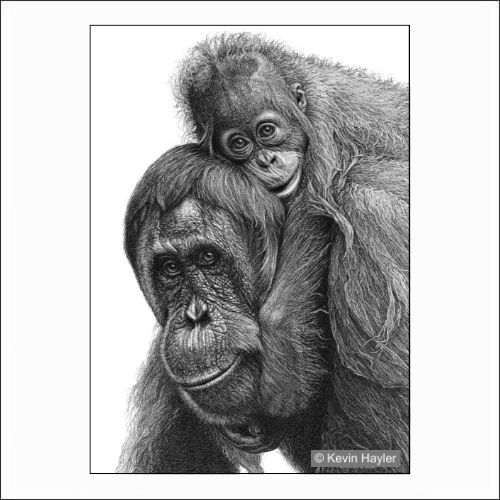
Mother and Baby Orangutans


Common Zebras

Asiatic Black Bear
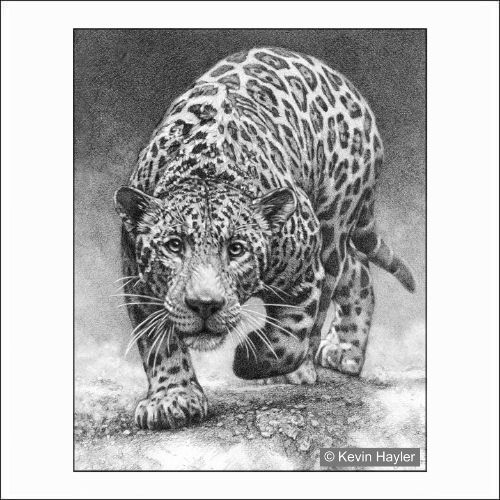
Jaguar

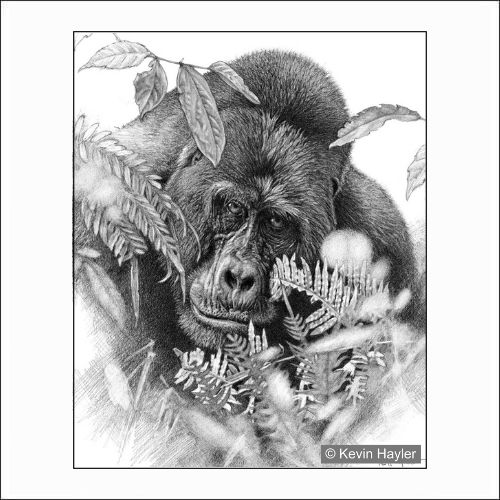
Silverback Mountain Gorilla

Indo-Chinese Tiger
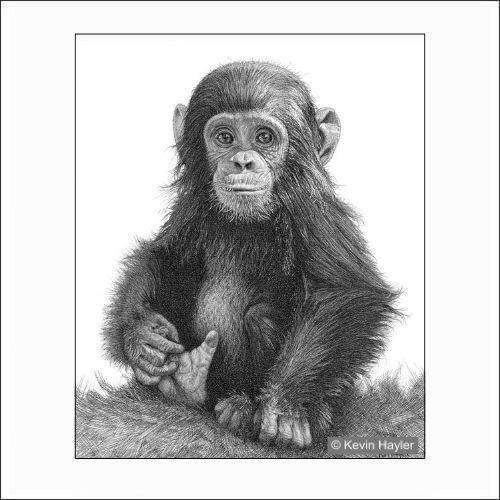
Baby Chimpanzee
Time and Patience
I’ve lost track of how many hours I’ve poured into these drawings. And that’s just the drawing itself. Before I even start, there’s the work of taking my own reference photos, figuring out how I want to compose the piece, and planning every detail.
That’s all before I get anywhere near printing and sharing the finished work.
If I’d really stopped to think about how much time and effort goes into turning an idea into a print someone might buy, I probably would’ve scared myself off.
Luckily, I didn’t overthink it when I began.
All I wanted was to draw wildlife, sell my prints, use the money to travel, and then come back and do it all over again. And for 2 decades, that’s exactly what I did.
Read how to do the same thing: How Do Wildlife Artists Make a Living?


Mother and Baby Giraffes
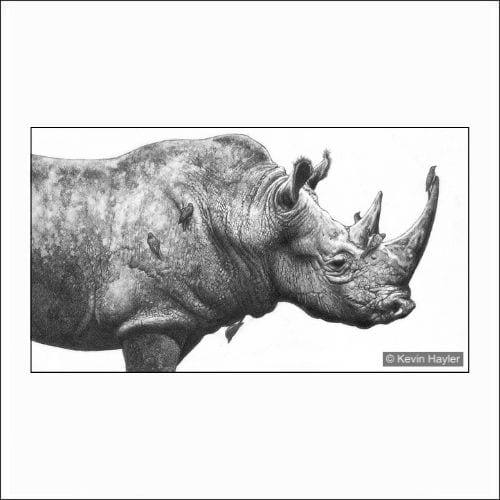
White Rhino
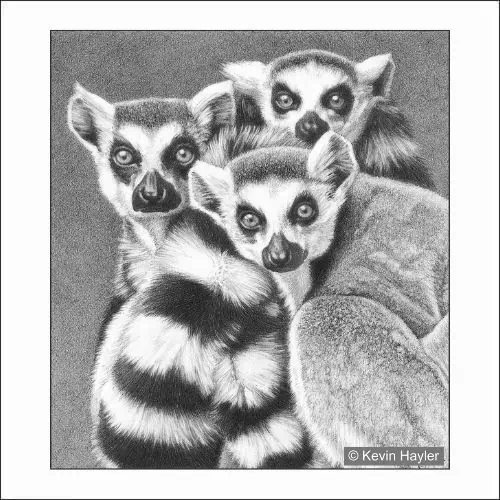
Ring-Tailed Lemurs

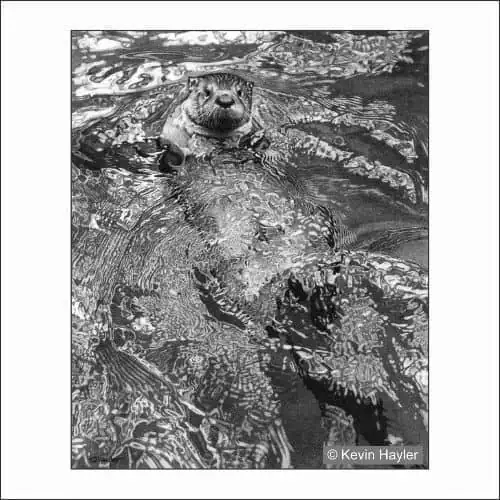
N. American River Otter
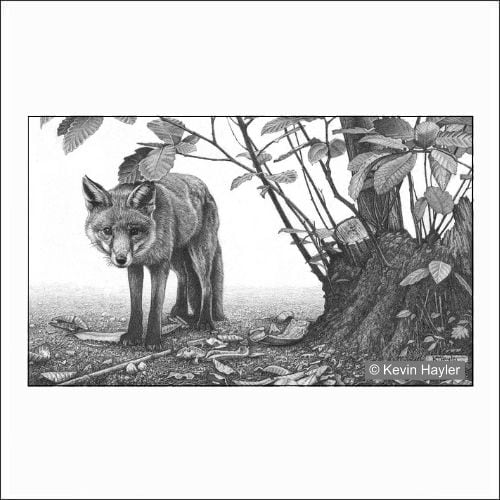
Red Fox
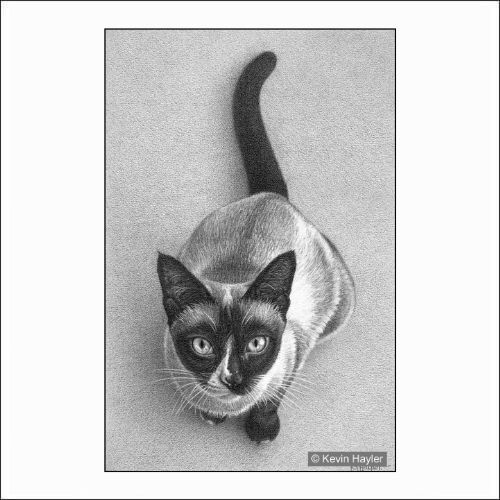
Siamese Cat
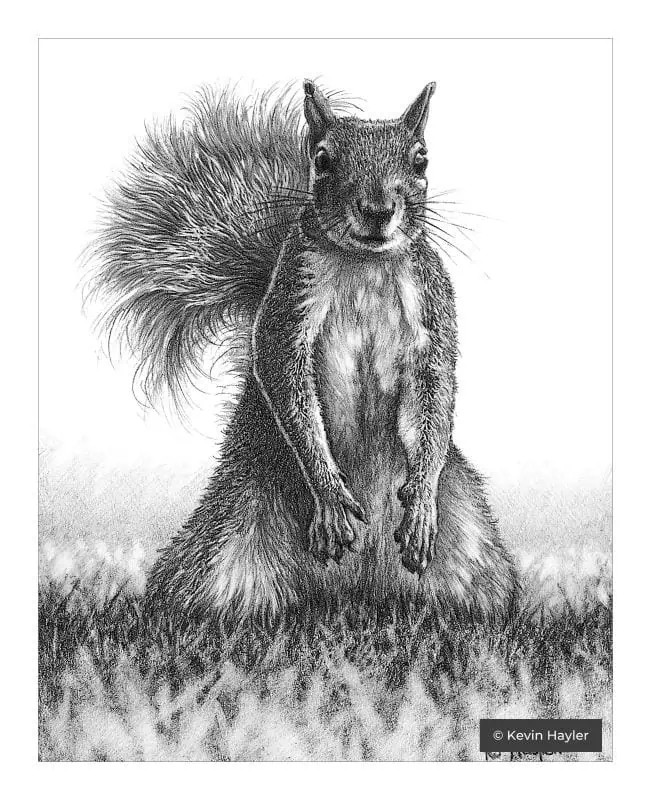

Plains Zebra Foal

Great White Shark

Meerkat Family
The Importance of Authenticity
For me, it’s all about being real. I draw what I’ve seen myself, or I put scenes together using my own photos and experiences.
I’m not just trying to copy a photo exactly. Plenty of people can do that. What matters to me is capturing the character and personality of each animal, and I try to show that in how I compose my drawings.
Everything you see comes from things I’ve witnessed or pieces I’ve pulled together from my own references to make a better picture.
I’m completely self-taught, and my approach to wildlife art is practical and methodical. I like selling my work and I don’t feel possessive about it. I’d much rather see my drawings hanging on someone’s wall than kept in my studio.
I never see letting go of a drawing as a loss. I’m always looking forward to the next one because that’s the piece I’m most excited about.
More info here: Drawing Realistic Animals From Photographs


Greater Flamingos

Asian Domestic Pigs

Tawny Owl


Sulfur-Crested Cockatoo
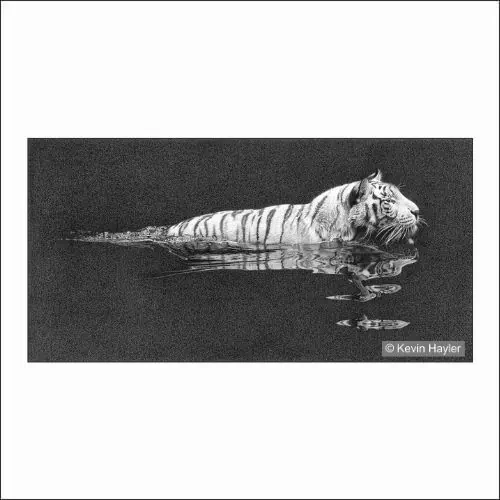
White Tiger

Female Lowland Gorilla

Female Lowland Gorilla

Indo-Chinese Tiger

Barn Owl
How I Draw So Accurately
I use the grid method to help me earn a living as a wildlife artist. It’s a simple but powerful technique where I place a grid over my reference photo and draw the same grid on my paper.
The grid breaks the image into smaller, manageable sections, which makes it much easier to get the proportions right and keep things accurate. For me, it’s a practical way to stay consistent, especially when I’m aiming for a super-realistic look.
I usually start with the eyes, because if I get those right, the rest of the drawing feels safe to tackle. It gives me the confidence to carry on.
Some artists feel that using a grid limits creativity, That’s true in a way, I cant argue with that. You lose spontinaity and happy accidents. On the other hand, I draw in front of the public and they love to see my painstaking detail. There are pros and cons.
I dig deeper here: Is Drawing a Grid Cheating?
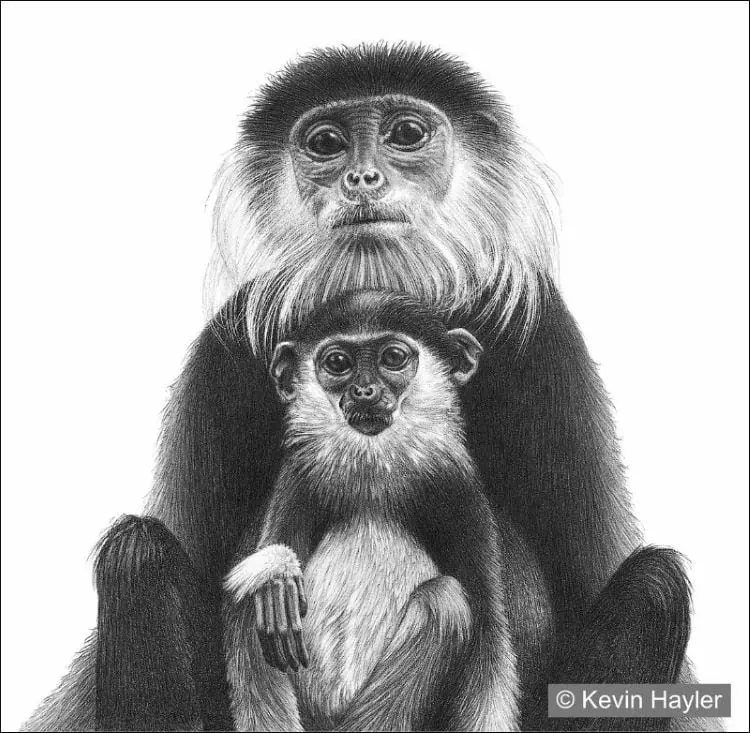

Giant Tortoise

Serval Cat

Sumatran Tiger


Nile Crocodile

Domestic Call Duck

Bald Eagle


Spotted Deer Fawn

Bottlenose Dolphin

Grey Wolf
Why Black and White?
Black and white art has always been a niche because color usually dominates the art world. Wildlife art is an even smaller niche inside that, which naturally limits how many people might be interested.
But the good news is, it’s still broad enough to keep going. Sometimes it’s actually an advantage to be a bigger fish in a smaller pond.
There are plenty of positives to working in black and white. It has a timeless feel that fits into any room, it’s easy to frame, and it never really goes out of style.
It’s also practical for me as an artist. Graphite pencils are cheap, easy to carry, and I can pick up supplies anywhere in the world. All I need is a sketchpad and a pencil, and I’m ready to draw wherever I am, whether I’m out in the field or working from my photos back home.
Oh, and one more thing – I’m colorblind!
Further Reading: How To Be a Colorblind Artist (I’ll Show You How I do It)


Hippopotamus

Sumatran Tiger

Meerkat

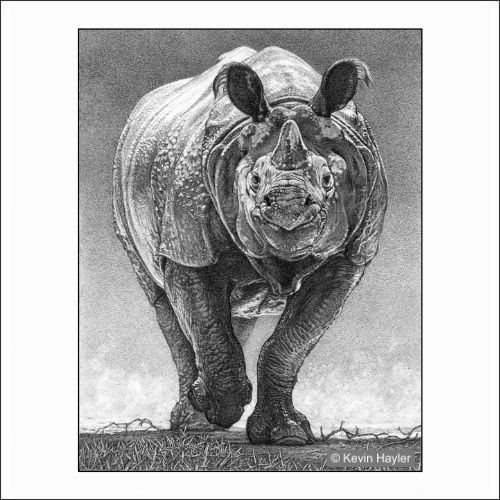
Indian One-Horned Rhino

White Kitten

Snow Leopard

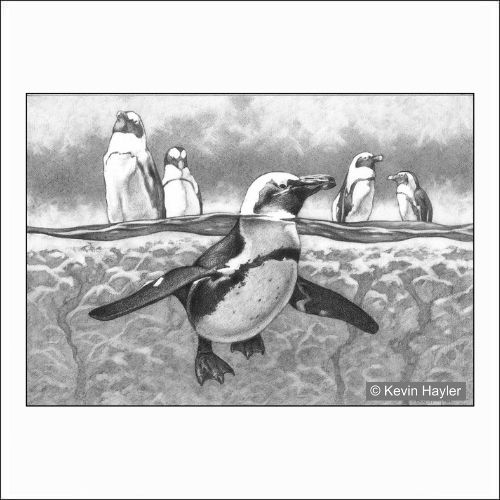
African Penguins

Cheetahs

Panda Cub


Polar Bear

Shetland Pony

Asiatic Leopard

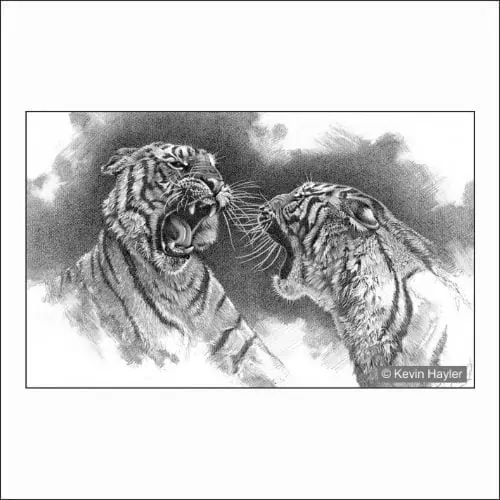
Bengal Tigers

Bornean Orangutan

African Elephants


A Young African Elephant
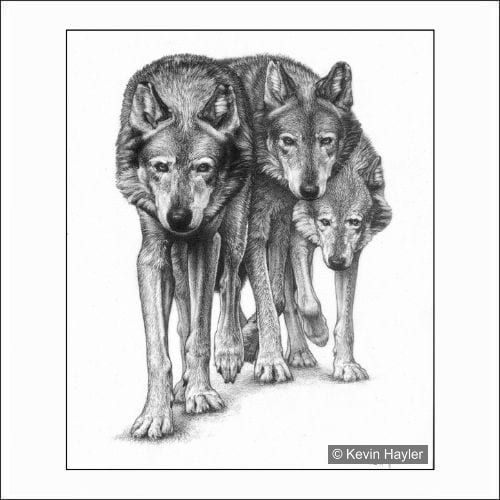
Timber Wolves

Giant Panda Bears
Pencil Drawings of Animals: Final Thoughts
This is most of my pencil drawings of animals, and now that you’ve looked through them, you might have noticed that some are more polished than others.
There’s definitely a difference between my early pieces and the ones I’ve done more recently. That’s just what happens when you draw all the time. Over the years, I’ve refined my drawing techniques and developed my style.
This will interest you: Why Artists Change Style: Should You?
Whether the newer drawings are better is up to you to decide. Art is always subjective, and everyone sees it a little differently.
It is certainly the case that my most popular prints by way of sales is one of my earlier drawings. This one below called ‘Jumbo Family’.

Has this post been enjoyable? If so, you may like to read the following articles:
- 12 Wildlife Art Bestsellers (Use These Subjects to Make Money)
- Where to Find Wildlife Subjects to Draw, Paint, and Photograph
- Traveling Artist: How to Sell Your Art and Travel the World
- How to Start Drawing Wildlife and Become a Wildlife Artist
- 7 Bird Art Bestsellers: Best Wall Art Selling Guide
- 9 Farm Animal Art Bestsellers: Home Decor That Sells!
- How to Draw Realistically: 11 Realistic Drawing Tips
- How to Draw a Realistic Giraffe: Step by Step and Get Great Results
If you’re an artist yourself, or thinking about turning your drawings into a way to fund your travels or your lifestyle, I’ve shared everything I’ve learned over the years.
I’ve put together a guide called Selling Art Made Simple, where I explain how I’ve made a living from my wildlife drawings without fancy galleries or big connections.
If you’re curious about how to sell your art , you’ll find it helpful.

PIN THIS


Hi, I’m Kevin Hayler
I’ve been selling my wildlife art and traveling the world for over 20 years, and if that sounds too good to be true, I’ve done it all without social media, art school, or galleries!
I can show you how to do it. You’ll find a wealth of info on my site, about selling art, drawing tips, lifestyle, reviews, travel, my portfolio, and more. Enjoy