

These are subjects I’ve seen and photographed myself. There are 30 drawings in total, and every one of them is based on real encounters. Some were from safaris in Africa, and others were from animals I saw in captivity.
I’m an opportunist. I get my photo references where I can, as long as it’s ethical. What matters is that I was there and saw it for myself. Every drawing is authentic.
My images, my compositions, and my skills.
This is my collection of African wildlife drawings, and each one tells its own story.

I took the reference photo in the Masai Mara Reserve in Kenya. It’s always more interesting to see your subjects in the wild. It makes a better story.
This was grooming her cub under some scrub bushes. She was completely focused, while the youngster sat calmly beside her.
What caught me was the contrast. The mother had her eyes closed, lost in the moment, while the cub looked straight at me. Just for a second, our eyes met. That was the money shot!
There was nothing staged or dramatic. It was a quiet moment in a tough environment, and that honesty is what made me want to draw it. The reference photo was poorly exposed, typical of me, but that’;s not such a problem for an illustrator.
I kept the edges loose and left out the background. The focus was on their bond, and I didn’t want anything else getting in the way. A good mix of detail and loose sketching.
You will Like This Post: 21 Realistic Big Cat Drawings in Pencil
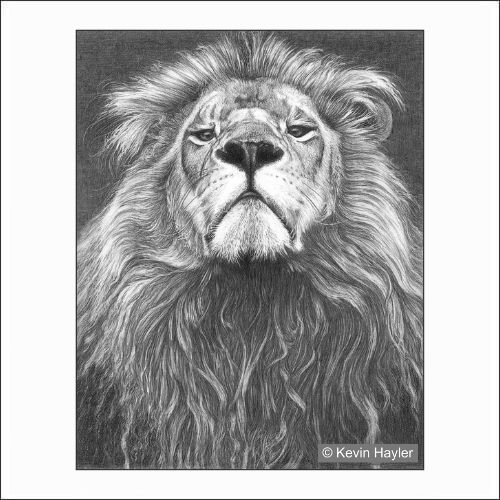
Male African Lion
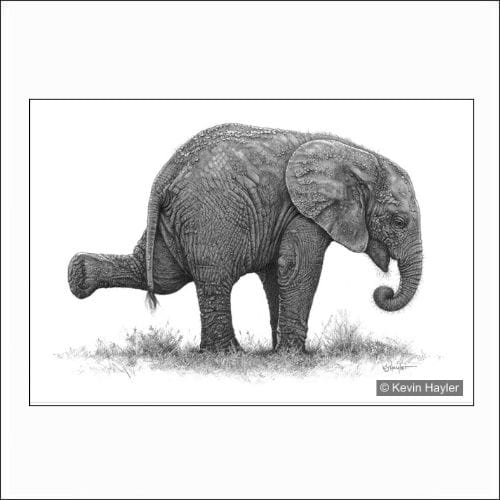
Baby African Elephant

African Penguins
Read this: What Are Limited Edition Prints? 12 Things You’ve Got to Know

Does this count as wild? I saw this southern white rhino in a large enclosure at the Ol Pejeta Conservancy in Kenya. I’m not completely sure, but I believe she was being acclimatized before release.
She looked strong and healthy, and I wanted to capture that sense of quiet resilience. She had moved into the shade, probably to escape the worst of the midday heat.
I tried to reflect the dry, heavy atmosphere in the drawing. The dust, the glare, and the baked earth all added to the feeling of a long, hot day.
It was a peaceful moment, and hopefully that comes across in the final piece. Definately one of my most accomplished drawings.

A Male Rothschild’s Giraffe
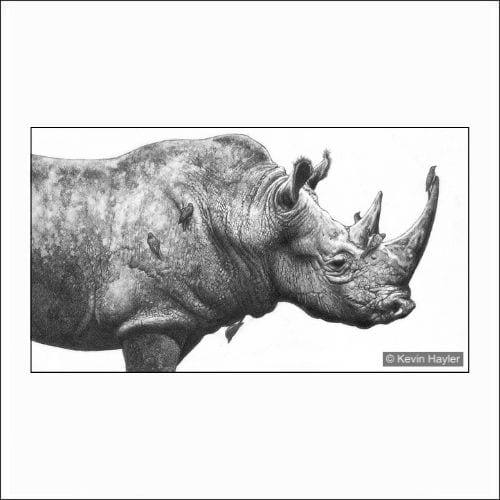
A White Rhino

Common Zebras

This drawing is a triptych, made by piecing together separate reference photos. The giraffe on the left and right is actually the same animal in two different poses. Thankfully, the patterning isn’t obvious enough for most people to notice.
I often flip images when I’m building a scene, but it’s not as simple as it sounds. You can’t just reverse a photo and call it done. If the light source is wrong, the shadows fall on the wrong side, and fixing that by eye is trickier than you’d think.
Sometimes you have to work with what you’ve got. You build the best composition you can from the material in front of you. That’s part of the job, especially when animals don’t pose for the camera.
The final composition came together well, and this one sold out quickly. It was a popular piece, and despite the challenges, I’m glad I took the time to get it right.
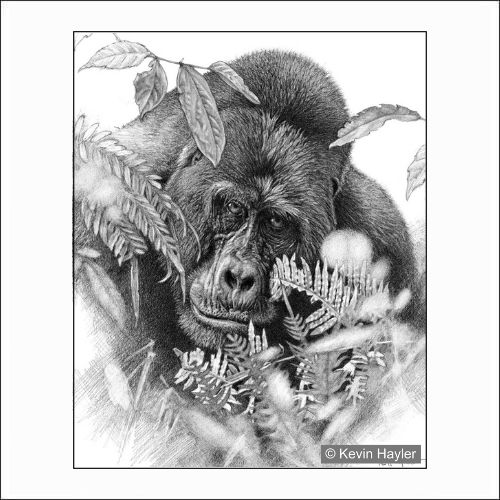
Silverback Mountain Gorilla

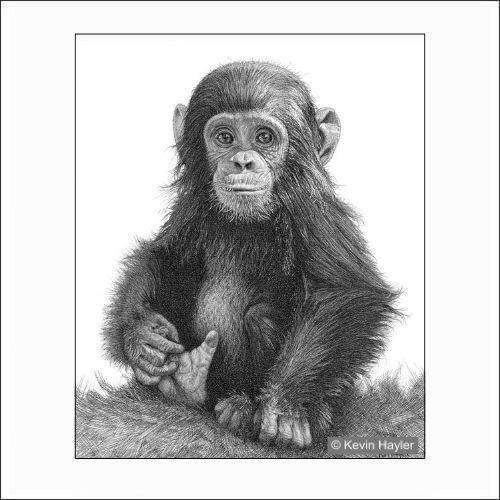
Baby Chimpanzee
Storytelling Sells Art
Telling a good story matters. It’s not just about the drawing. It’s about where I was, what I saw, and why I stopped to take the photo in the first place.
That context helps people connect with the moment. They’re not just buying a picture. They’re buying the experience behind it. When someone understands that I was there, watching it happen, the work means more.
And when people feel that connection, they’re far more likely to buy.
Read how to do the same thing: How Do Wildlife Artists Make a Living?

If you want to see cheetahs in the wild, head to the Masai Mara Reserve in Kenya. That’s where I saw this young male on my last visit.
He wasn’t alone. Cheetahs are usually solitary, but male siblings often stick together. I was lucky enough to spot three brothers that day. It was a brilliant sight.
I’m particularly happy with how this drawing turned out. I usually over-finish my work, but this time I managed to hold back.
Leaving a sketchy edge gave the piece more life. That looseness added something I couldn’t have planned.

Plains Zebra Foal

Great White Shark

Meerkat Family
Every Drawing Comes From Experience
I don’t use stock photos or copy other people’s images. Every drawing in this collection is based on something I’ve seen and photographed myself.
Sometimes it’s a wild encounter on safari. Other times it’s a quiet moment in a sanctuary. Wherever I am, I take my own photos and use them to build my drawings.
That’s important to me. It keeps the work personal and honest. I can stand behind every piece because I was there.
More info here: Drawing Realistic Animals From Photographs

This is a drawing of a wild lion I saw while on safari in Tanzania. He was resting in the grass, calm but alert, watching the world go by.
I focused on the texture in his mane, layering fine pencil strokes to capture the depth and ruggedness of it.
The background shows a typical savannah scene with scattered trees. That part’s artistic license , there were no acacias there in real life.
The grass in the foreground took some thought. It helped frame the lion and gave the composition a bit more context.
What I liked most was his expression. Calm, confident, and completely at ease in his own skin.

Giant Tortoise

A Lowland Gorilla

Serval Cat

Time and Patience
I’ve poured countless hours into these drawings, and that’s before I even pick up a pencil. It all begins with getting out there, seeing the animals for myself, and taking the photos I need.
Sometimes that means sitting around for hours, waiting for something to happen for a split-second chance I have to catch the image before it’s gone.
Then comes the planning. I spend a lot of time working out the composition before I start drawing. It all needs to make sense on the page.
The drawing itself is where the real work begins. That’s when I sit down and bring everything together, one pencil stroke at a time. It takes hours of focus, and there are no shortcuts.
If I’d thought too much about it in the beginning, I might never have started.
You might like this: How to Draw a Realistic Giraffe: Step by Step and Get Great Results

This is Napasha, one of the orphans at the Sheldrick elephant sanctuary just outside Nairobi. The young elephants were let out to play and be bottle-fed during visiting hours.
Most of them needed help from the keepers, but Napasha had it figured out. She picked up her own bottle like a pro, and I knew right away it would make a great drawing.
The pose was irresistible, and the detail nearly drove me mad. Just when I thought I’d reached the limit with photo realism, I pushed it even further.
There was one surprise, though. When I mentioned she was an orphan, some people found it too sad. It actually put off a few buyers.
You learn these things the hard way. Not everyone wants a reminder of the backstory, even if it’s honest.
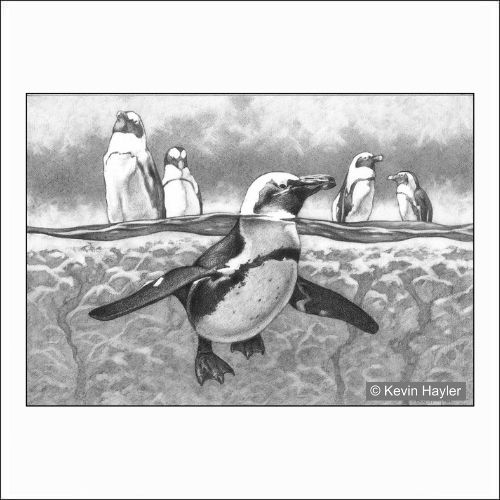
African Penguins

Baby Elephant

African Elephants
Read this: 6 Realistic Elephant Drawings in Pencil

I saw this group of zebras in the Masai Mara when they suddenly bolted across the track in front of our Land Rover. I managed to catch a shot as they ran from right to left.
Later, I flipped the reference so they ran left to right. It just feels more natural that way, at least to a Western eye.
At the time, I thought the composition worked well. But it never really sold, and now I can see why.
The foal gets lost against the adult. There’s not enough contrast, and the young zebra doesn’t stand out.
Looking back, I should’ve drawn the foal on its own. Sometimes less really is more.

Hippopotamus

Cheetahs

Meerkat

If this young chimp looks familiar, it’s because I’ve drawn him before. It’s the same one from Fingers and Thumbs.
I liked this pose enough to revisit it. He was riding on his mother’s back, completely at ease, and the eye contact gave it a quiet strength.
There’s something calm and assured in his expression. He looked safe, content, and totally unbothered.
Not every drawing needs a dramatic story. Sometimes it’s just about capturing a simple, honest moment.
Check This Out: 12 Best Monkey Aat Pencil Drawings
African Animal Drawings: Final Thoughts
Drawing African wildlife has been one of the most rewarding parts of my career. Every piece in this collection started with a real moment in the field. I saw it myself and knew it was worth recording.
These drawings are not just technical exercises. They are memories and they’ve helped me make a living doing what I love.
Over the years, I have learned how to turn those experiences into art that people want to buy. That is exactly what I share in my book.
If you are interested in drawing wildlife, selling your art, or using your work to travel and stay independent, you will find something useful in Selling Art Made Simple It’s all based on my direct experience, not theory.
You can check it out here:

Has this post been enjoyable? If so, you may like to read the following articles:
- 12 Wildlife Art Bestsellers (Use These Subjects to Make Money)
- Where to Find Wildlife Subjects to Draw, Paint, and Photograph
- Traveling Artist: How to Sell Your Art and Travel the World
- How to Start Drawing Wildlife and Become a Wildlife Artist
- 7 Bird Art Bestsellers: Best Wall Art Selling Guide
- 9 Farm Animal Art Bestsellers: Home Decor That Sells!
- How to Draw Realistically: 11 Realistic Drawing Tips
PIN THIS


Hi, I’m Kevin Hayler
I’ve been selling my wildlife art and traveling the world for over 20 years, and if that sounds too good to be true, I’ve done it all without social media, art school, or galleries!
I can show you how to do it. You’ll find a wealth of info on my site, about selling art, drawing tips, lifestyle, reviews, travel, my portfolio, and more. Enjoy