

Way back in the 80s, I had the bright idea of selling my original art full time. I thought, I’ll make a living doing what I’m good at and enjoy life more.
And in a way, I did. I scraped by, earned just enough to call it a living, and convinced myself that the next big sale was always around the corner.
But truth be told, it was a grind. Long, lonely hours in the living room (not a studio) with very little to show for it.
The problem was simple enough. I couldn’t mass produce my art without losing quality, and I couldn’t get the prices I needed to make really good work and make it worthwhile.
Every painting was a one-off trial, and the reward never matched the effort I put in.
I tried to find the middle ground, that sweet spot between quality and speed, and believe me, it’s way too hard. There is almost no middle ground.
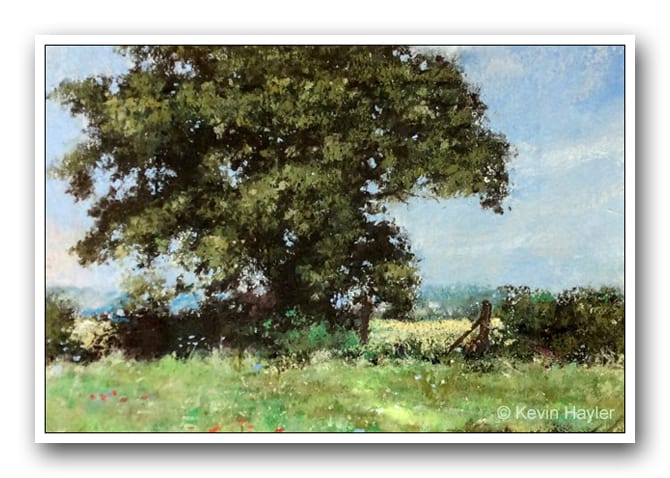
Eventually, I burned out. The joy drained away, and I realised I wasn’t chasing art anymore. I was chasing the rent.
That’s when I decided to stop flogging originals and start selling art prints instead. It turned out to be the best decision I ever made.
The Problem with Originals
Selling originals sounds glamorous until you try doing it for a living.
Each piece takes time, energy, and focus. You pour yourself into every new painting, and when it’s done, you only have one thing to sell. One buyer, one payment, and then it’s gone.
Time to start again.
That might work for famous artists who can name their price, but for most of us, it’s a slow road to nowhere. You can’t build momentum when your income depends on a single sale.
The hours pile up. The deadlines creep in. You start rushing to make new work, or worse, rehashing older work, hoping to keep up, and the quality begins to slip.
The truth is, you can’t mass produce art without losing something important. You either take shortcuts or wear yourself out.
And when you finally find a buyer, the price rarely covers what the piece is truly worth. The public sees a nice picture. You see long hours of work, materials, and worry.
That imbalance is what breaks so many artists. It’s not the painting that’s too hard. It’s trying to make a living from something that doesn’t scale and the loneliness of repeating the same thing everyday.
The Realisation
At some point, it hit me. People weren’t buying the painting, they were buying the image.
That truth first dawned on me while I was backpacking in New Zealand. I came upon a small gallery in a village called Russell, and saw a guy selling prints of his own work. The art wasn’t that good, if I’m honest, but people were queuing up to buy them.
That was my lightbulb moment.
It didn’t matter that his originals weren’t masterpieces. What mattered was that he’d found a way to turn one idea into dozens of sales. He wasn’t waiting for a single wealthy buyer. He was selling affordable art to everyone who walked through the door.
I realised I could do the something similar. I could spend hours painting one original and hope for a sale, or I could sell that same image a hundred times over as a print.
The maths spoke for itself. One effort, many sales. Suddenly, art started to make sense as a business.
Selling prints gave me something I never had before, consistency. I didn’t need to rely on one big sale to stay afloat. A steady stream of smaller sales was far more reliable.
And people loved it. They could afford my work, take something home, and still feel like they owned a piece of the story. Everyone won.
That’s when I stopped thinking like an artist chasing validation and started thinking like a trader building a livelihood.
Putting the Idea into Action
When I got back to the UK, I knew roughly what I had to do. I had seen how that New Zealand artist made prints work, and I knew it was my way forward.
There was only one problem. I was broke. I had no drawings, no stock, and nowhere to live.
I got a job, drew in my spare time, and built a small collection of wildlife art. I figured twelve good drawings would be enough to start.
Animals were an easy choice. It’s what I love, and I knew I could sell it anywhere. I didn’t want to be stuck painting local views. I wanted subjects that had broader appeal.

Once I had my drawings, I found a local printer and had them reproduced. That was a steep learning curve. The first two printers were disasters, but eventually, I found a small team who cared about quality. I learned to keep control and always use specialist art printers.
When I finally had a pile of prints, I still didn’t know where to sell them. I certainly didn’t have the nerve to trade on the street, so I tried a weekend market on Brighton beach. I knocked together a rough display, laminated the prints, and stuck them to painted boards.
A total amateur really.
But somehow it worked. Despite the rough setup, I sold more art in a single day than I earned in a full week at a regular job. That was all the proof I needed.
From that day on, I built my business around prints. I refined my display, learned what people liked, and focused on what sold. One good season led to another, and before long, I was making a full-time living selling my art directly to the public.
That’s how it started. One small idea from a gallery in New Zealand, a few good drawings, and a lot of trial and error on the seafront in Brighton.
The Lifestyle Bonus
Selling prints didn’t just change how I made money. It became a liferstyle.
I knew that if I worked hard through the summer, I could earn enough to take the winter off. That gave me something most artists never have, time.
I built my year around the seasons. I sold prints in the markets from spring to autumn, then packed up and travelled when the cold set in. One year it was Indonesia, another year India, sometimes Africa if I’d done well.
My drawings paid for everything. Flights, food, and even the camera gear I used to gather new wildlife references for the next season. It was all part of the job.
The best part was freedom. No boss, no deadlines, no bills to worry about. I worked for six or seven months and spent the rest of the year living exactly how I wanted.
That’s the real reward. Prints gave me a business that works, but more importantly, they gave me the life I wanted.

A Later Pencil Drawing by Kevin Hayler
Selling Artwork for a Living: Final Thoughts
The real key to making a living from art, for those of us who like to keep things simple, is to scale the business with prints.
Think of your originals as the master copy, not the product itself. You can still sell the original, but only after it’s been properly scanned or photographed. That way, it keeps earning long after it’s gone.
I treat original sales as an occasional bonus, not the goal. The real business is in the prints.
Selling prints also gives me the freedom to spend more time on each piece. I can focus on quality, knowing that the prints will repay that effort many times over.
That’s how you turn art into a living, by making every original work for you again and again.
I made plenty of mistakes figuring this out. I wasted money, trusted the wrong people, and learned a lot of lessons the hard way.
My book, Selling Art Made Simple, will help you skip all that pain. It’s packed with practical advice from decades of experience, showing you exactly how to make your art pay without repeating my costly errors.

These posts will also interest you:
- Art Business Names: How to Find the Right Name
- How to Turn Browsers into Buyers in Art Fairs
- 8 Distractions That Kill Sales at an Art Fair or Market
- Artist Business Cards: 6 Tips For Artists – From a Pro
- How to Write an Artist About Me Bio: In 4 Easy Steps
- How to Name Your Artwork: Find a Title That Sells
- How to Negotiate the Price of Your Art: Prints and Originals
- How to Prepare For an Outdoor Art Fair: Tips for Success
PIN THIS


Hi, I’m Kevin Hayler
I’ve been selling my wildlife art and traveling the world for over 20 years, and if that sounds too good to be true, I’ve done it all without social media, art school, or galleries!
I can show you how to do it. You’ll find a wealth of info on my site, about selling art, drawing tips, lifestyle, reviews, travel, my portfolio, and more. Enjoy