

I’ve sold my wildlife art from street markets and art fairs. Both can work, and both come with their own headaches. If you’re wondering where to focus your efforts, here’s my no-nonsense comparison to help you figure it out.
1. Costs and Overheads
The Advantages of Street Selling
One of the biggest draws of street selling is how cheap it is to get going. You don’t need a big budget or fancy setup, just a bit of gear, some prints, and the nerve to pitch up and give it a go.
In many places, especially smaller towns or touristy areas, you can find spots that cost next to nothing or even nothing at all. Some local markets charge a small daily fee, others just turn a blind eye if you’re not causing trouble.
I started off blagging pitches outside empty shops and it worked a treat.
You can keep everything simple. A fold-up table, a display board, and a smile will take you further than most people think. No art fair rules, no insurance forms, no waiting lists. You’re not tied into anything.
If it’s quiet, you can leave early. If it’s buzzing, stay until the crowds die down. You’re in control.
It’s also great for testing the waters. You can try new ideas, price points, or print formats without risking a fortune. If something flops, fine, chalk it up to experience. You haven’t just dropped £500 on a stall that didn’t deliver.
In short, street selling is the ultimate low-risk, low-cost way to get your art out there and start making money.
The Disadvantages of Street Selling
While street selling is cheap to get into, it’s not always financially reliable. You don’t have any guarantees. Some days you’ll make a decent profit, and other days you might not even cover your costs
There’s no consistent footfall, no promotion, and no safety net. If it’s a washout, you lose the day entirely.
There’s also the hidden cost of trial and error. You might find what looks like a great spot, only to discover it doesn’t deliver. That means lost time and energy with nothing to show for it. If you’re bouncing around looking for a pitch that works, those dead days start to add up.
And while many street pitches are cheap or even free, that’s not always the case. If you’re renting a regular spot outside a private shop, those fees can creep up, epecially in busy tourist areas or during peak seasons.
Some landlords charge proper retail rates, and that can really eat into your margin.
Then there’s the legal side. If you’re in a grey area or trading without a licence, you’re taking a small risk. Most of the time, it’s fine, but if you get moved on or fined, that’s money wasted.
You’re also covering all your own expenses, display gear, travel, food, parking, and if sales are slow, those little outgoings can bite into your profits fast.
So yes, the start-up cost is low, but don’t mistake that for guaranteed income. You’ve got to be savvy with your time, flexible with your expectations, and quick to adapt.

The Advantages of Art Fairs
Art fairs come with a price tag, but what you’re paying for is structure. You know what you’re getting. You’ve got a booked space, a set time, and usually, a decent amount of foot traffic.
You don’t have to worry about pitching up early to claim a spot or getting moved on by someone in a hi-vis jacket.
A good fair will do some of the heavy lifting for you. They’ll advertise, bring in the crowds, and give you access to a more art-focused audience. That means you’ve got a better shot at finding buyers who actually came to spend money on artwork, not just people strolling past on the way to get a coffee.
The selling environment is also a bit more refined. You can present your work in a more polished way, show higher-end pieces, and set higher prices without it feeling out of place. People expect to pay more at a fair, and they’re often in that headspace where they’re ready to spend.
If you want to be taken seriously as a professional artist, art fairs can help boost your credibility. They’re a good way to test the waters with a more upmarket crowd and potentially build longer-term collector relationships.
You’re not just selling to tourists or locals on a day out, you might meet interior designers, gallery owners, or serious collectors.
So yes, the costs are higher, but if it goes well, the return can be worth it.
The Disadvantages of Art Fairs
The biggest drawback with art fairs is the cost. Booking a stall can be expensive, and that’s before you even load the car. You’ve got to factor in travel, accommodation if it’s far from home, food, fuel, and all the bits and pieces that go along with doing a professional event.
It adds up fast, and there’s no guarantee you’ll make that money back.
Some shows look good on paper but don’t deliver. You can do everything right, set up beautifully, and still spend the weekend watching people browse without buying. And unlike street selling, you can’t just pack up and go home early. You’re locked in, whether the crowd’s spending or not.
The upfront commitment is another problem. You often have to book months in advance, sometimes even a year, and there’s no flexibility. If something else comes up or your plans change – tough. You’re committed, whether you still want to be there or not.
There’s also a certain sameness to some fairs. When everyone’s selling similar things, it’s easy to blend into the background. You’re surrounded by other artists, all competing for the same pool of buyers.
That can be a tough environment, especially if you’re new and your name doesn’t carry weight.
So while art fairs can work well, they’re a gamble. You’re spending more, committing more, and working to a fixed structure. If it clicks, great. But if it doesn’t, it can be an expensive lesson
2. The Buying Crowd
The Street Market Crowd
When you’re selling on the street, you’re catching people off guard. They’re not there to buy art. They’re grabbing a coffee, walking the dog, or killing time before lunch. That might sound like a disadvantage, but it’s not always a bad thing.
There’s something powerful about impulse. People spot something they like, stop for a chat, and before they know it, they’re handing over cash for a print.
That kind of spontaneous sale doesn’t always happen in more formal settings, and it’s a big part of what makes street selling so effective, especially for smaller items and affordable prints.
You also stand out more. If you’re the only artist in a regular market or on a busy street, people notice you. They remember you. You’re something different in the middle of all the food stalls and knickknacks.
That curiosity often leads to conversation, and conversation can lead to a sale.
Of course, not everyone is a serious buyer. You get a lot of browsers, time-wasters, and people who want to tell you about their cousin who also paints. That’s part of the game. The key is to read the room quickly and focus your energy on the people who are genuinely interested.
Street selling is less predictable, but it has a charm of its own. The randomness is part of the appeal. You never know who’s going to walk past next or what kind of connection you’ll make.

The Art Fair Crowd
At an art fair, the dynamic is different from the street. People are turning up with buying in mind. They’ve usually paid to get in, they know they’re going to be looking at art, and they expect to see a range of work from different artists.
That puts you in front of a more targeted audience.
There’s more time and space to talk. Visitors are in the mood to browse and chat. They take their time, ask questions, and some of them are seriously considering buying. If someone’s in the market for an original or a commission, chances are they’ll be at a fair like this, not wandering through town.
You can also present your work in a more polished way. The whole setup gives your art more weight. It looks like a professional environment, and that changes the way people respond. Higher prices feel more natural in that kind of setting.
But it’s not always easy. You’re competing with every other artist in the room, and sometimes the crowd leans more toward browsers than buyers. It can feel like everyone’s fishing from the same pond, and the sales don’t always come easy.
Still, when the right person walks in, an art fair can lead to serious opportunities. Commissions, collectors, and networking with fellow artists all happen in that space. It’s just a matter of being in the right place at the right time.
3. Flexibility & Routine
Selling on a Street
One of the big perks of street selling is how easy it is to build into your routine. If you’ve got a local pitch nearby, it becomes your workplace. You head out in the morning, set up in the same spot, and get into a rhythm.
That regular structure is great for motivation, especially when you’re self-employed and trying to stay productive.
There’s no booking system or deadline to work around. If the weather looks good, you go. If it’s chucking it down or blowing a gale, you don’t. You’re not tied into anything, and that kind of flexibility is a rare thing in business.
You can also respond to the crowd. If it’s busy and the sales are flowing, you stay late. If it’s dead, you pack up early and do the admin. You’re not watching the clock or waiting for an organiser to tell you when you can leave.
It might not sound like much, but that freedom makes a huge difference. It lets you work hard when it counts and take a break when you need it. That keeps the pressure off and makes it easier to enjoy the job, which is kind of the point.
Selling in Art Fairs
There’s something to be said for the structure that art fairs provide. You know exactly where you’re going, when you need to be there, and how long you’ll be trading. That clear routine can be helpful, especially if you like having a plan laid out in front of you.
You don’t have to think about when or where to work. You’re booked in, and the dates are fixed.
Some artists find that motivating. It forces them to prepare, get organised, and make sure everything’s ready to go. If you struggle with procrastination, having a deadline like an upcoming fair can be just the push you need – especially when you’ve paid your money in advance.
Fairs also tend to have a reliable start and end time, so once it’s over, it’s over. You pack up, go home, and know exactly what you made. There’s no second-guessing or wondering if you should’ve stayed another hour.
That said, the fixed schedule comes at a cost. You’ve got no flexibility. Once you’ve booked in, that’s it. You’re going, rain or shine, and if the event turns out to be a flop, you’re stuck there anyway. There’s no backing out, no rescheduling, and no early finish if things go quiet.
You also have to factor in all the time around the event. Travelling, loading and unloading the car, maybe staying overnight, and breaking your usual routine just to make it work. That can be disruptive, especially if you’re used to working locally or juggling other commitments.
So while the structure of an art fair can be useful, it can also feel rigid. If the fair goes well, none of that matters. Just count the cash! But if it doesn’t, it’s a long and expensive way to spend your weekend.

4: Atmosphere and Energy
Selling in Street Markets
There’s a unique buzz to selling on the street. You’re right in the middle of everyday life. People are out and about, there’s movement all around you, and you’re part of the scenery. That kind of energy can be uplifting, especially on a sunny day with good foot traffic and curious faces stopping by.
The informal setting works in your favour. There’s no pressure, no pretence, and no one expects you to be anything other than yourself. That makes it easier to chat, easier to connect, and easier to build trust. It’s a casual, friendly space, and people are more likely to stop for a chat without feeling like they’re stepping into a shop.
You’re also visible in a way you’re not inside a building. You catch people as they walk by. Even those who weren’t planning to look at art end up having a look just because you’re there. Sometimes that surprise encounter is what leads to a sale.
Of course, the street isn’t always calm and charming. It can be noisy, chaotic, and full of distractions. You’re competing with, buskers, interruptions, and nutters!
Some people don’t take street artists seriously, assuming you’re doing it as a hobby or just passing the time.
And while the hustle and bustle can be great, it can also be draining. You’ve got to stay sharp, stay polite, and stay visible all day long, even when the crowd is off or the weather turns. It’s not a peaceful work environment, but it’s never boring.
Selling Vibe in Art Fairs
Art fairs have a completely different atmosphere. Everything feels more curated, more organised, and more intentional. People are there specifically to see art, which creates a focused energy.
You’re not fighting for attention in the middle of street noise or market chaos. You’ve got your own space, your own display, and a captive audience that’s already in the right frame of mind.
The setup encourages longer conversations. People take their time, ask thoughtful questions, and show genuine interest.
That kind of setting is perfect if you want to talk about your work in more depth or explain your process. It also adds a sense of legitimacy. Just by being part of a fair, your work is seen differently.
Visitors expect to see serious artists, and that expectation can make people value what you’re offering more.
If you’ve got higher-end originals or want to take commissions, the atmosphere helps to support that.
That said, art fairs can feel stiff. The more polished the event, the more formal the vibe, and that can put a bit of distance between you and the customer. Not everyone feels comfortable in that environment.
You’re also one of many. When everyone around you is an artist with their best work on display, it’s harder to stand out. If your style is subtle or you’re still finding your voice, you risk being overlooked.
The atmosphere might be professional, but it can also feel competitive and a bit clinical at times.
Section 5: Sales Potential
Street Sales
Street selling is brilliant for quick, low-pressure sales. People aren’t expecting to buy art, so when something catches their eye, it feels spontaneous.
That impulse works in your favour. You’re not having to convince someone who came to browse twenty artists. You’re just there at the right time with something they like.
This makes it ideal for selling affordable items, things like prints, cards, and small originals. If your prices are accessible, you’ll often make several sales in a day. It’s a numbers game. The more people passing by, the more chances you have to make a sale.
It’s not uncommon to sell multiple items to different people in the space of an hour, just by keeping the conversation flowing.
It’s also a great way to gauge interest. You’ll quickly see what people respond to. Certain images will sell faster, others will get compliments but no takers. You learn fast what works and what doesn’t, and you can adjust on the fly.
The downside is that high-ticket items can be a tougher sell. It’s rare that someone on the high street is going to hand over several hundred pounds for an original drawing on the spot. It does happen, but it’s not the norm.
But what often surprises people is how well commission work comes out of street selling. When you’re there in person, drawing live or showing your original work, people feel comfortable striking up a conversation.
That’s when they ask, “Do you do pets?” or “Could you draw my kids?” These aren’t formal leads. They’re real people, chatting casually, and they already trust you just from watching you work.
You don’t need to hard-sell commissions either. If they like your style and your personality, they’ll often bring it up themselves. You can hand them a flyer, show them a couple of samples, and you’re away.
It’s a natural, low-pressure way to pick up custom work, and over time those jobs can become a big part of your income.
Street selling might not be where you sell expensive originals, but it’s one of the best places to build a steady flow of commissions and repeat customers. If you’re approachable and consistent, people will come back, and they’ll bring friends with them.
Art Fair Sales
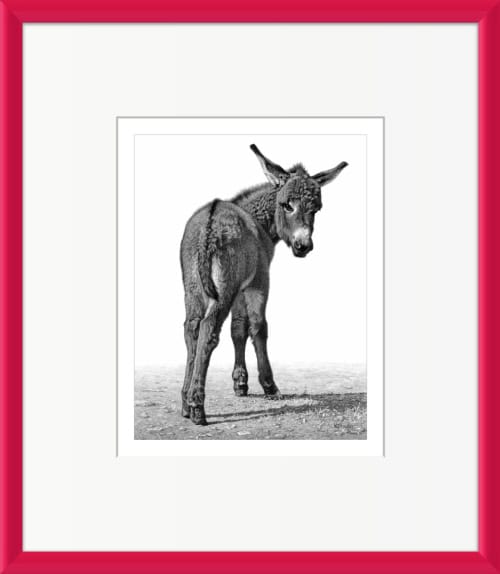
Art fairs are a great environment for selling higher-value work, especially framed art and mounted prints. The setting makes a big difference. Everything looks more polished, and your work benefits from that professional backdrop.
Visitors are expecting to see finished pieces that are ready to take home and hang on the wall.
This is where presentation really pays off. Framing your artwork or offering well-mounted prints adds instant value. People see it as a complete product. It’s tangible, it’s ready to display, and that makes it easier for buyers to justify spending more.

You can add a significant premium just by offering your work in a nice frame or a smart mount. As long as the framing is well done and suits the piece, people are happy to pay the extra.
They know the added costs and hassles of framing it themselves. They will pay for that convenience.
There’s also space to display your work properly. You’ve got walls, tables, panels, or whatever the fair allows, and you can curate your display to make a strong impression. That kind of layout lets you tell a story and show your range.
It’s harder to do that on a street stall where space is tight.
The buyers at art fairs tend to be more considered. They browse slowly, ask questions, and spend time engaging with the work. That gives you a chance to build a connection, explain your process, and guide people toward your higher-end pieces.
When everything comes together, your setup, your pitch, and your framing, you can walk away with strong sales and very good margins. It takes more effort upfront, but the rewards can be well worth it.
Final Thoughts
In the end, it all comes down to what suits you best.
I chose to sell in a summer street market because it fitted my lifestyle. It let me work close to home, keep things simple, and stay in control of my time. I could work when the weather was good, take time off when I needed to, and get into a rhythm that kept me productive.
Of course, there were trade-offs. Because I worked from a basic outdoor setup, I couldn’t offer framed art. The logistics just didn’t make sense. That meant I was leaving money on the table.
Framing adds value, and I missed out on the kind of premium prices that come with presenting work in a more polished way.
Art fairs offer that polish. They give you a chance to show your work at its best, attract more serious buyers, and charge higher prices. The environment supports bigger sales, and if you’re prepared to travel, set up, and pay the fees, the rewards can be considerable.
Street selling, on the other hand, keeps your costs low and your flexibility high. It’s a great way to meet people, build confidence, and sell smaller items in volume. If you’re just starting out, or if you value independence, it might be exactly what you need.
For me, it worked. I kept my overheads down, sold consistently all summer, and by the end of the season I had enough profit in my pocket to fund my winter trips abroad. I did that for over 20 years. Only the pandemic stopped me.
I’d spend those months tracking wildlife and gathering reference photos for the drawings I’d make and sell the following year.
If that sounds like the kind of lifestyle you’re aiming for, I’ve written everything I know in my guide Selling Art Made Simple. It’s packed with real advice based on all those years of experience.
If you want to make a living from your art and keep your freedom, it’s a good place to start.

These posts are related. You’ll enjoy them:
- What Kind of Art Sells Best? All The Secrets Revealed
- Is Your Art Good Enough to Sell? You Need to Know This…
- How to Sell Art on The Street: By a Street Artist
- How to Deal With Difficult Customers in an Art Fair
- 10 Best Ways to Sell Your Art Locally: Mega Guide
- Can You Copy Art and Sell a Painting of a Painting? I Found Out
- What Size Art Sells Best? Frames and Apertures – FREE Chart
- Pricing Art For Beginners: Originals, Art Prints, and Formulas
- How to Get Art Commissions: The Easy Way and Make Money
- Who Buys Art and How to Spot a Buyer? (Secrets Revealed)
PIN THIS


Hi, I’m Kevin Hayler
I’ve been selling my wildlife art and traveling the world for over 20 years, and if that sounds too good to be true, I’ve done it all without social media, art school, or galleries!
I can show you how to do it. You’ll find a wealth of info on my site, about selling art, drawing tips, lifestyle, reviews, travel, my portfolio, and more. Enjoy