

Art festivals are a mix of excitement, chaos, and possibility. They’re a chance to get your work in front of new eyes, connect with fellow artists, and hopefully make some cash. But your first art festival can be stressful and exhausting if you’re not well prepared.
Here’s my guide to help you get through your first festival and hopefully, have some fun along the way.
Disclaimer: When you buy something via my affiliate links I earn from qualifying purchases and sometimes earn a commission, at no extra cost to you. I am an Amazon Associate among others. I only recommend trusted sites.
Choose the Right Festival For You
Not every art festival is the right fit for every artist. Just because there’s a show happening nearby doesn’t mean it’s worth your time, effort, or money.
Always look into the details before you commit. Check the date, the location, and how many people typically attend. Many festivals have specific themes or styles, and you want to make sure your work fits in.
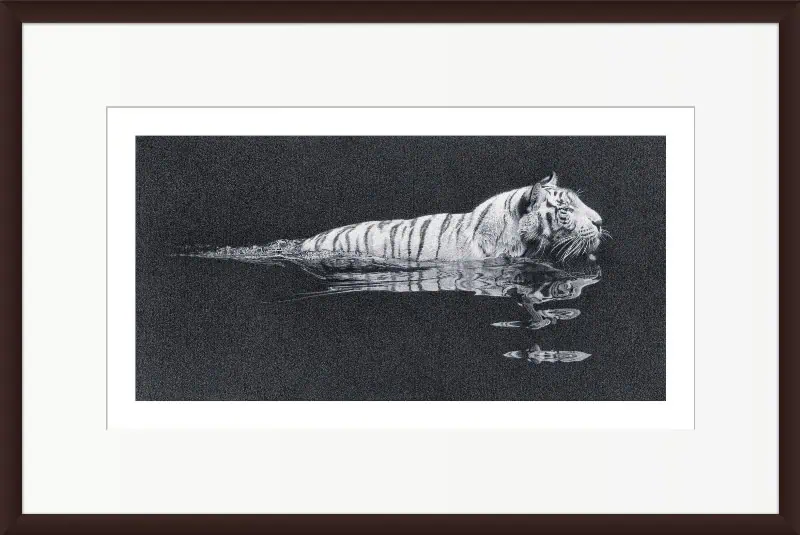
For example, I sell wildlife art. I probably wouldn’t do well at an event focused on modern abstract art or vintage antiques. If animals and nature aren’t part of the show’s vibe, my work might not connect with the crowd.
This is one of mine
It’s also smart to look at how well the event is promoted. A beautifully organized festival isn’t much help if nobody knows about it. See if they advertise on social media, local news, or billboards. More promotion usually means more visitors and potential buyers for your booth.
One of my favorite ways to research shows is by joining online artist groups. Other artists often share honest feedback about events they’ve attended. It’s saved me a lot of time and money over the years.
Above all, choose festivals where the crowd is likely to be interested in the kind of art you create. Getting in front of the right audience makes a huge difference in turning lookers into buyers.
Understand Festival Rules and Requirements
Before you even think about how your booth will look, find out exactly what rules the festival has. Every event is different, and not knowing the details can cause a lot of stress on the day.
Start by checking the set-up and take-down times. Some shows are very strict about when you’re allowed to unload and pack up. You don’t want to be the person still dragging boxes in when customers are already walking around.
Look into tent requirements. Some festivals provide tents, while others expect you to bring your own. There might also be rules about the size or color of your tent. A lot of outdoor shows require you to have weights to keep your tent from blowing away if it gets windy.
Ask about booth size and layout. Some shows give you a standard space like ten by ten feet, but others might have odd shapes or smaller spots. Knowing your exact space helps you plan your display and avoid surprises.
Some events also have rules about how your booth should look. You might be required to use tablecloths or keep your displays under a certain height. For example, if you’re using tall display racks, make sure they’re allowed.
It’s better to ask too many questions than to show up and find out you’ve broken a rule. Understanding the festival’s requirements ahead of time helps you plan your setup and keeps everything running smoothly.
Plan and Prepare Your Inventory
Getting ready for an art festival takes more than just packing your car the night before. The sooner you start working on your inventory, the less stressed you’ll be when the big day comes around.
Begin by ordering all the materials you need. Whether it’s canvases, paper, frames, and packaging supplies, get it sorted early. Waiting until the last minute often means things are out of stock or arrive too late.

Work on building a solid range of art to bring. I always recommend having a mix of originals and prints. Originals attract serious collectors, while prints offer a more affordable option for people who love your work but can’t spend as much.
Make sure every piece you bring is finished and ready to sell. You don’t want to be scrambling to sign prints or fix a frame when customers are browsing. Everything should be clean, priced, and easy to hand over to a buyer.
Quality-check your work before packing it up. Look for things like scratches, smudges, or damage. Even small flaws can turn people away or make your work look less professional.
Don’t feel like you have to show every single piece you’ve ever made. It’s better to display your strongest work and keep extra stock under the table to refill as things sell. An overcrowded booth can look messy and overwhelm customers.
If you want to add some personality, consider including seasonal touches in your display. A few small props or color changes can help your booth stand out and feel fresh without distracting from your art.
Planning your inventory well in advance helps you arrive at the festival feeling prepared and confident. It also gives you the best shot at making good sales.
Keep Your Display Simple and Effective
When it comes to setting up your booth, less is often more. A clean, simple layout usually does a better job of showing off your art than a cluttered or overcomplicated display.
It helps to sketch out your booth layout ahead of time. Plan where your tables, racks, and signs will go so you’re not figuring it out on the fly. A little preparation makes setting up much quicker and less chaotic.
Hang originals on your walls so they’re at eye level and draw people in. Keep your prints organized in bins or racks where customers can easily flip through them. This makes browsing feel natural and inviting.
For indoor shows, think about using shelves, risers, or vertical displays to save space. When your table space is limited, going upwards helps you show more work without crowding everything together.
Make sure your booth matches the feel of your art. If your work is earthy and natural, small touches like wooden crates or simple fabrics can tie everything together. A booth that feels like an extension of your art makes a great impression.
At outdoor festivals, always prepare for the weather. Bring sides for your tent in case of rain, and secure everything so a gust of wind doesn’t send your art flying across the fairground.
Finally, remember that your booth doesn’t have to be perfect right away. Be willing to move things around during the day if the sun shifts or foot traffic flows differently than you expected. Flexibility helps you make the most of your space.
Pack Essential Supplies
Nothing ruins your day faster than realizing you left something important at home. It’s amazing how easy it is to forget basic supplies when you’re busy thinking about your art.
Start with the big stuff. Bring tables and chairs if the festival doesn’t provide them. Sitting on the ground for hours isn’t much fun, and you’ll need a sturdy table to display your work.
Tablecloths are a must. Even if your table is sturdy, it probably isn’t pretty. A nice cloth hides scratches, paint splatters, or old tape marks, and makes your booth look more professional.
Don’t forget the small tools that come in handy. Pack scissors, tape, extra price stickers, a notebook, and some pens. You might not need them every time, but when you do, you’ll be glad you brought them.
Think about how customers will carry your art home. Bring bags, boxes, tissue paper, or bubble wrap, especially if you’re selling delicate items. Nothing feels worse than making a sale and realizing you have nothing to pack it in.
A power bank can be a lifesaver. If your phone, card reader, or other devices die in the middle of the day, you could lose sales. Keep a charger handy so you’re not left scrambling.
Having these essentials packed and ready takes a lot of stress out of the day. A well-stocked toolkit helps you handle little emergencies and keep your focus on selling your art.
Price Your Work for Your Audience
Pricing can be one of the trickiest parts of selling art. You want to make a fair profit, but you also need to match what people at the festival are willing to spend.
Take some time to research price ranges for similar art at the event you’re attending. A small farmers market might have buyers looking for pieces under fifty dollars, while a dedicated art festival could attract collectors ready to spend hundreds or more.
Think about offering work in several price brackets. Having lower-priced prints along with higher-priced originals gives customers options. Someone might love your work but only have enough budget for a print.
If you’re not sure where to start, it’s often safer to price a little lower and raise your prices as you gain confidence and experience. It’s much easier to go up than to drop your prices later, which can look unprofessional.
Keep your prices consistent across festivals, your website, and any galleries you’re in. Customers notice when prices change from one place to another, and it can hurt your credibility.
Make sure all your prices are clearly displayed. People feel awkward asking how much something costs. A visible price tag removes that barrier and makes it more likely someone will buy.
The right pricing can make the difference between just getting compliments and actually making sales. Know your audience, and price in a way that makes your art accessible while still valuing your time and talent.
Know Your Numbers and Goals
Selling art at festivals isn’t just about creativity. You’ve got to know your numbers if you want to make it work as a business.
Start by finding out how many people usually come to the festival. The bigger the crowd, the more chances you have to make sales. But remember, not everyone who walks by will buy, so set realistic expectations.
Count up how much inventory you’re bringing. Think about how many pieces you’d need to sell to hit your sales goal. This helps you avoid overpacking or, worse, running out of popular items too soon.
Decide how much money you’d like to make at the event. It doesn’t have to be a huge number, but having a target gives you something to aim for and helps you measure your success afterward.
Add up all your expenses, including booth fees, materials, travel costs, meals, and even the time you’ve spent getting ready. Sometimes, after calculating everything, you might realize you’re not making as much as you thought.
Track how long it takes you to make your art, build your booth, and prepare for each show. Knowing where your time goes is important if you want to improve and work smarter in the future.
Keeping track of your numbers isn’t the fun part of being an artist, but it’s what turns your art into a sustainable business. A little planning goes a long way toward making festivals profitable and worthwhile.
Get Comfortable for the Long Haul
Art festivals are long days. You’re on your feet for hours, talking to people, and dealing with weather or crowds. Being comfortable makes the whole experience a lot more enjoyable.
Always have a chair. Even if you’re standing most of the time, you’ll want somewhere to sit during slow periods or while grabbing a quick bite. A comfortable chair can be the difference between a good day and a miserable one.
A high bar stool type chair is better. Being high up makes you appear more attentive and less submissive. These things might seem trivial but believe me they matter.
Pack snacks and plenty of water. Food options at festivals aren’t always great, and lines can be long. Having your own supplies keeps your energy up and saves you from leaving your booth too often.
Think about bathroom breaks ahead of time. If you’re alone, make friends with the artists next to you so you can ask them to keep an eye on your booth. Most people are happy to help out for a few minutes.
If you’re spending the whole day at your booth, treat it like a mini campout. I’ve even brought a cooler with cold drinks to keep me going. Small comforts can make the day feel shorter and keep you in good spirits.
Being prepared for the long hours helps you stay focused on what matters most, which is connecting with people and selling your art.
Make Payments Easy for Customers
If someone loves your art, you want it to be as easy as possible for them to buy it. The last thing you want is to lose a sale because you weren’t ready to take their payment.
Having a card reader is almost essential these days. Many people don’t carry cash, especially at art events. A small device connected to your phone lets you take credit or debit cards on the spot.
If you’re offering mobile payments like PayPal or Venmo, print your QR codes and display them clearly. Customers can just scan and pay without fuss. It’s quick and makes you look professional.
Always bring plenty of small bills and coins if you accept cash. You don’t want to turn someone away because you can’t break a large bill. Keeping a fanny pack or a secure pouch makes it easy to manage your cash safely.
Know your prices ahead of time and have them displayed clearly. Customers feel awkward asking for prices, and visible signs help avoid any confusion or hesitation.
Start building an email list while you’re at the festival. When someone buys from you, ask if they’d like to hear about future shows or new art releases. Over time, this list becomes one of your most valuable tools for growing your art business.
Making payments simple removes barriers for your customers and helps you make more sales. Being ready and organized shows people you’re serious about your art and your business.
Keep Learning and Improving
Every art festival is a chance to learn something new. Even if you’ve been doing shows for years, there’s always room to pick up new tricks or spot ways to improve.
Take a few minutes during the festival to look at other artists’ booths. Notice what grabs people’s attention and what seems to make customers stop and look longer. You can get great ideas just by watching how others set up their space.
Practice how you talk about your art. It’s easy to get nervous and either say too much or too little. Keep your explanations simple and clear at first. You can share longer stories if someone seems really interested.
Prepare answers for the common questions people always ask. Things like how long a piece took, what materials you use, or frame sizes for your prints. Having good, short answers ready makes conversations smoother.
After the festival, take some time to review how things went. Make a list of what worked, what didn’t, and any supplies you need for next time.
The more you learn from each show, the better your future festivals will be. Little improvements add up and make a huge difference over time.
Manage Your Time Well
Time management can make or break your day at an art festival. The smoother things run, the less stressed you’ll feel and the better you’ll be able to focus on talking to customers and selling your art.
Plan to arrive early so you’re not rushing during setup. If your booth is complicated, give yourself extra time. Nothing feels worse than trying to hang artwork while customers are already walking by.
Don’t get stuck chatting too long with one person, especially if other people are waiting to look around. It’s perfectly fine to politely excuse yourself so you can help someone else. Most customers understand and won’t be offended.
Be willing to adjust your booth as the day goes on. Sometimes the sun hits your table in a weird way, or you realize traffic flows better from the other side. Making small changes can help draw in more visitors.
Expect the unexpected. Whether it’s weather changes, technical issues, or random mishaps, leave yourself a bit of buffer time to handle surprises calmly.
Good time management helps keep your day running smoothly and your energy focused where it matters most, which is connecting with people and making sales.
Final Thoughts: Enjoy the Experience
Art festivals can be a lot of work, but they’re also one of the best parts of being an artist. You get to share your art with people face to face, which is something you just can’t do online.
It’s normal to feel nervous before a show. I still get butterflies sometimes, even after years of doing this. But once you’re set up and talking to people, the excitement usually takes over.
Don’t go into a festival expecting to sell out every piece. Keep your expectations reasonable, and you’ll be happier with whatever success you have. Often, the connections you make are just as valuable as the sales.
Take time to chat with other artists. You’ll see many of the same faces at different festivals, and those friendships can turn into a supportive community. Plus, it’s great to swap stories and tips after a long day.
Even if a few things go wrong, remember that it’s all part of the adventure. Being out there with your art is something to be proud of. Enjoy the buzz, the conversations, and the chance to show people what you love to create.
Art festivals are as much about the experience as they are about business. Have fun with it, and you’ll keep coming back for more.
Art festivals have taught me more than I ever imagined about selling my work and connecting with people who love art. If you’re ready to dive even deeper into turning your art into a business, I’ve put everything I’ve learned into my ebook, Selling Art Made Simple.

It’s packed with practical tips and real-world advice to help you sell more art and build the creative life you want.
These are related posts that will help you along:
- Art Business Names: How to Find the Right Name
- Artist Business Cards: 6 Tips For Artists – From a Pro
- How to Write an Artist About Me Bio: In 4 Easy Steps
- How to Name Your Artwork: Find a Title That Sells
- How to Negotiate the Price of Your Art: Prints and Originals
- How to Prepare For an Outdoor Art Fair: Tips for Success
- Street Markets vs Art Fairs: What’s Best For Artists?
- 10 Common Art Business Mistakes You Must Avoid
- How to Sell More Art: 10 Selling Tips for Art Fairs
- How to Connect With Art Buyers
PIN THIS


Hi, I’m Kevin Hayler
I’ve been selling my wildlife art and traveling the world for over 20 years, and if that sounds too good to be true, I’ve done it all without social media, art school, or galleries!
I can show you how to do it. You’ll find a wealth of info on my site, about selling art, drawing tips, lifestyle, reviews, travel, my portfolio, and more. Enjoy