

Atmosphere is the mood a drawing gives off. Calm, creepy, dramatic – you feel it.
Nothing about the subject has to change much to get there. It’s all in the light, the shadows, and what you choose to leave out.
This isn’t some advanced trick only pro artists know. It’s a drawing skill you can build with practice, and it works to evoke emotions.
In this guide, you’ll pick up simple drawing hacks to help you set the mood in your own work. No fancy tools needed, just a sketchbook and a little patience.
Disclaimer: When you buy something via my affiliate links I earn from qualifying purchases and sometimes earn a commission, at no extra cost to you. I am an Amazon Associate among others. I only recommend trusted sites.
What Is Atmosphere, Really?
Atmosphere is the mood of a drawing or painting. It’s not about adding more stuff. It’s about the contrast between light and shadow.
A lot of artists think detail equals quality. It doesn’t. Too much detail can actually kill the mood. I battle with this problem all the time. This is one of those art hacks that sounds backwards until you try it.
Think of a theatre or movie scene. The lighting does half the work. Drawing works in the same way.
Less Detail, More Mood
Here’s a drawing tip that changes everything: less is more.
If you have a strong shadow, leave it alone. Don’t add texture to it. Don’t explain it. A plain, dark shape reads as mood. A busy, detailed shape reads as “the artist got nervous and kept adding stuff.”
This is a hard habit to break, I know that from experience. Most of us want to fill every inch of the paper. But if you’re trying to get better at drawing atmosphere, you have to trust empty space..
Pick your focal point. That’s the one thing that gets full detail. Everything else? Let it stay loose and soft.

Light and Shadow is Everything
Want an easy drawing guide rule? Light direction changes everything.
Light from the side creates drama. Shadows stretch out and get interesting. Light from straight above feels flat and boring, kind of like a school photo.
Early morning and late evening light (also called golden hour) is a shortcut to atmosphere. The shadows are longer. The light is warmer. It just feels more alive.
Try treating your shadows like they’re a second subject in the drawing. Not just something that happens to your subject, but something with its own shape and weight.
Besides that, strong shadows are easier to draw.

Read this: How to Draw Realistic Shadows in Pencil: Light and Shade
Pick the Right Drawing Materials
Your tools matter more than people think.
Charcoal and soft graphite (4B–8B) smudge and blend easy. That makes moody, soft shadows almost effortless. A hard pencil like a 2H stays crisp and clean, which is great for detail, but it fights you if you’re chasing atmosphere.
This might help: What Do Pencil Numbers Mean? Pencil Grades Explained + Charts
Ink wash or a water-soluble pencil is another shortcut. Add water, and the tone spreads on its own. Less control, more mood.
If your drawings keep coming out flat, it might not be your sketching skills. It might just be the wrong medium.
Don’t Forget Color Temperature
Even in black and white,, temperature matters.
Warm grays (the ones leaning brown) feel cozy, nostalgic, safe. Cool grays (leaning blue) feel distant, eerie, lonely. Same value, totally different feeling.
If you work in color, this one’s huge. A golden, orange-lit scene reads as warm and inviting. The same scene in blue light feels cold and tense, even with identical shapes and shadows.
Next time you’re picking pencils or mixing tones, ask yourself: warm or cool? The answer changes the whole mood.
If you work in color, this one’s huge. A golden, orange-lit scene reads as warm and inviting. The same scene in blue light feels cold and tense, even with identical shapes and shadows.
Want an old-school way to nail warmth without touching full color? Try bistre or sanguine on a neutral gray paper, with white chalk for your highlights.
It’s a classic technique for a reason, the warm brown or reddish tone carries the mood on its own, the gray base keeps everything unified, and the chalk highlights punch through without ever needing a full palette.
Next time you’re picking pencils or mixing tones, ask yourself: warm or cool? The answer changes the whole mood.
Three Drawing Hacks for Instant Mood
These three tricks are simple, and they work almost every time.
1. Crop in close. Tight crops feel personal. When you cut out the background and zoom in, the viewer feels like they’re right there. This is one of those sketch aesthetic tricks that instantly makes a study feel more intentional.
2. Exaggerate the perspective. A low angle or a wide-angle view makes your subject feel bigger than life. It adds drama. It’s a great move for animals, buildings, or anything you want to feel powerful.
3. Push the contrast. Don’t just brighten the highlights. Push the darks darker too. Try turning your drawing (or your reference photo) to grayscale and checking your values. If everything looks the same shade of gray, your drawing has no atmosphere yet.
Bonus trick: you don’t always have to go dark. Bleaching out a background works too. A single tree standing out against a washed-out, pale scene can feel just as dramatic as heavy shadow.

Another useful post: How to Plan and Compose Your Art: A Beginners Guide
Sketchbook Ideas for Practicing Atmosphere
If you’re looking for creative drawing ideas to practice this, try these in your sketchbook:
- Draw the same object twice, once with even lighting and once with strong side lighting.
- Pick a photo and draw only the shadows, no outlines.
- Try a drawing using just three shades: light, medium, and dark. No subtle grades.
These are great sketching exercises because they force you to think about mood before detail.
Drawing Tips for Beginners
Here are a few more drawing tricks that go beyond the basics.
Negative space matters. Empty space around your subject can feel calm, lonely, or huge, depending on how you use it. Don’t rush to fill it.
Placement matters too. It’s not just how much space you leave, it’s where you put your subject in it. Dead-center feels stable, calm, sometimes a little boring.
Push your subject off to one side, and it feels more dynamic, more like a moment caught mid-story. Go small, really small, and a tiny figure in a big empty scene feels lonely or overwhelmed. That’s a mood you can’t get from lighting alone.
Limit your tones. Instead of using a full range of grays, stick to just three or four values. It simplifies the whole piece and makes it feel more unified.
Paper texture changes things. Rough paper grabs pencil and charcoal in a scratchy, broken way, perfect for moody, textured shadows. Smooth paper gives you clean, controlled marks, better for detail than atmosphere. If your shadows keep looking too neat, try switching paper before you blame your technique.
Control your edges. Hard, sharp edges pull the eye. Soft, blurry edges push things back. Mixing both is one of the most useful drawing skills for building depth and mood at the same time.
Choose your reference wisely. When you’re out shooting photos or scouting ideas, look for strong light first. A great pose in flat lighting won’t give you much atmosphere to work with later.
These will help:
- What is The Best Paper for Graphite Pencil Drawing?
- Best Drawing Pencils For Beginners
- Drawing Movement: 7 Drawing Tips for Beginners
- Drawing from Photos: The Hidden Traps
Final Thoughts
Building atmosphere isn’t really about drawing more. It’s about editing well.
Knowing what to leave out is just as important as knowing what to put in. That’s the real secret behind a lot of art skills that look effortless but actually take practice.
Light and shadow are doing most of the heavy lifting here, and they’re worth getting really comfortable with.
Atmosphere isn’t a trick. It’s a skill. And once you understand how light behaves, the mood takes care of itself.
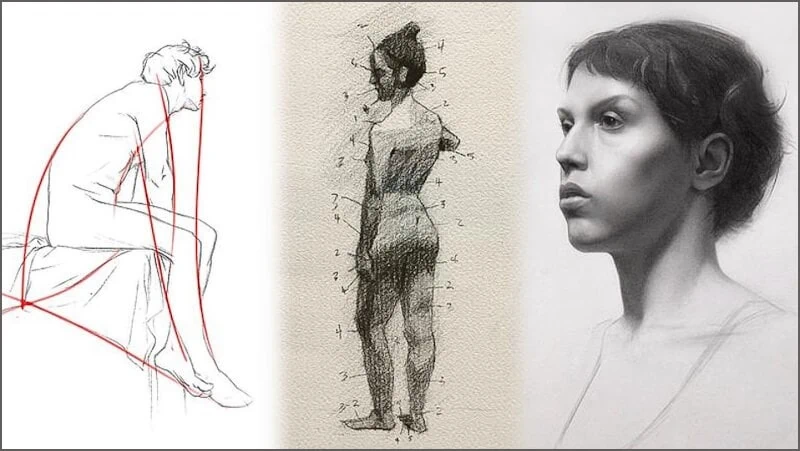
If you need more help with drawing, then I urge you to check out
Dorian Iten on Proko. His course is reasonably priced and inspiring
Check out these related posts:
- How to Get Better at Drawing: 17 Tips to Improve FAST
- How to Create Depth in Your Drawing: 7 Expert Techniques
- Drawing Ideas for Adults: 120 Cool and Easy Things to Draw
- How to Find Your Drawing Style: 8 Ways to Develop Your Skills
- 18 Animal Drawing Ideas With Tips and Tricks
- How to Draw White Lines in a Pencil Drawing (Without Going Mad)
- How to Make Your Drawings Interesting: 14 Ways to Improve a Drawing
PIN THIS


Hi, I’m Kevin Hayler
I’ve been selling my wildlife art and traveling the world for over 20 years, and if that sounds too good to be true, I’ve done it all without social media, art school, or galleries!
I can show you how to do it. You’ll find a wealth of info on my site, about selling art, drawing tips, lifestyle, reviews, travel, my portfolio, and more. Enjoy