

Kevin Hayler: Professional Wildlife artist, author, and traveler.
Do you want to promote your art for free? Of course, we all do, and that’s why you have to use social media. So I compiled a list of the 13 best social media platforms for artists that are free to use or have a free tier.
You know you have to network, showcase your work, and follow leads, but the choice is overwhelming. Where do you start?
Let’s go over the pros and cons of each one so you can form a balanced idea.
Disclaimer: When you buy something via my affiliate links I earn from qualifying purchases and sometimes earn a commission, at no extra cost to you. I am an Amazon Associate among others. I only recommend trusted sites.
Instagram – The Visual Social Media For Artists

With the increasing commercialization of the platform, the appeal of Instagram may be declining but it remains one of the most important platforms for visual artists. It’s a must for most creatives and it’s still possible to grow your traffic organically if you’re willing to put in the time and effort.
It is the perfect social media for artists because the reach is broad. Not only can you network with other creatives, but you can also reach your potential customers too. Double whammy.
If you learn how to target your hashtags properly you can expand your reach easily.
And that’s the joy. The platform is easy to learn and understand.
You must post very regularly to gain traction so the platform can suck your time. As with Facebook, which owns Instagram, your post will vanish in the feed in no time. You have seconds to grab the viewer.
Kelsey knows how to use social media better than me.
Watch her video about posting
But here’s what’s changed:
- Reels are king. The algorithm now prioritizes short-form video above all else. If you want new followers, you need to show your process, your workspace, or even quick tips in Reels.
- AI-driven recommendations. Instagram’s Explore feed is powered by AI, so consistent posting, strong captions, and audience interaction help surface your work to people who don’t follow you yet.
- Carousels still work. Multi-image posts are great for tutorials or step-by-step art processes, encouraging saves and shares.
- Stories & Broadcast Channels. Stories remain vital for daily engagement, but Broadcast Channels now let you send updates directly to followers, almost like a newsletter inside Instagram.
- Shopping & Creator Tools. You can tag products in posts and Reels, sell prints or downloads, and even earn through subscriptions and gifts.
- Engagement matters most. Likes are less important than comments, shares, and saves. Focus on sparking conversation and encouraging interaction.
The big advantage of Instagram? You can market yourself to your peers if you intend to offer services, you can reach buyers if you’re looking for sales and commission work, and you can find students if you wish to offer art tutorials. Three very different audiences.
Tip: Mix polished portfolio posts with casual, authentic Reels. Show your process, your workspace, and even your mistakes, audiences connect more deeply with real stories than with perfection..
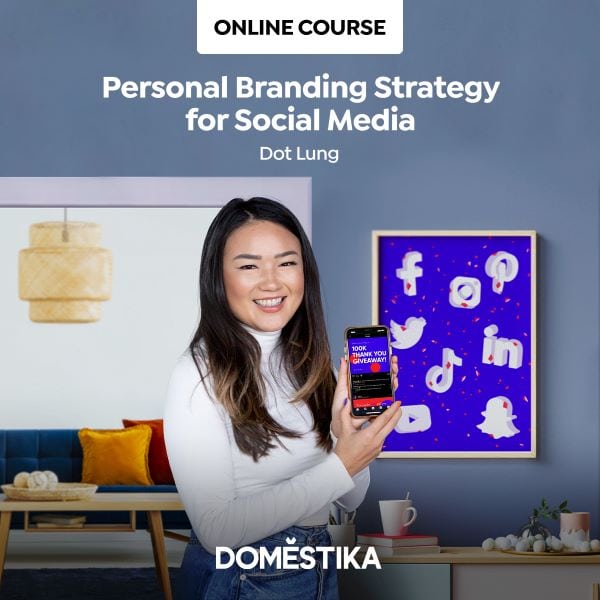
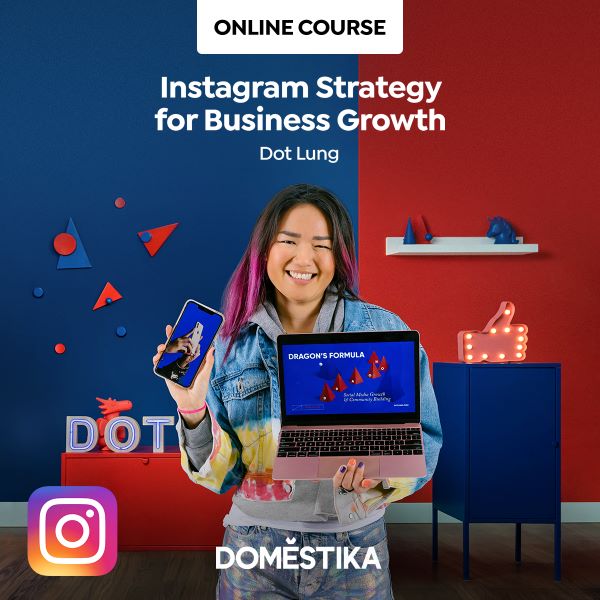
Take a look at these Instagram courses on Domestika.
They are not expensive

Scheduling tools such as makes posting in advance a more viable option. Do not underestimate the value of the infrastructure supporting Instagram.
Posting your artwork via third-party sites saves you so much time. It’s the only option to avoid living on the platform or paying for ads.
The big advantage of Instagram?
- You can market yourself to your peers if you intend to offer services,
- You can reach your buyers if you’re looking for sales and commission work,
- You can find students if you wish to offer art tutorials.
Three very different audiences.
Pinterest – A Search Engine For Artists

For some, Pinterest is a game-changer. It has the potential to skyrocket your blog traffic.
I say potentially because it’s so complicated you will need to buy a course to figure it out, and even then it’s not easy to succeed.
Read this post because you’ll need an active website for Pinterest: Should Artists Have a Blog? Art Blogging Pros and Cons
This too: How to Start an Art Blog and Make Money for Beginners
Strictly speaking, Pinterest is a search engine and bookmarking site. It’s not really social media for artists. Few people bother to communicate directly. Just as well because believe me, Pinterest can eat your life.
You are expected to publish new fresh ‘pins’, daily and en-mass. There are plenty of free tools to help you but it all takes so much time, it’s insane.
And if that wasn’t bad enough, Pinterest changes its algorithm on an almost monthly basis. It is so infuriating. Just when you are getting somewhere they knock you back. You are continually having to update and relearn best practices.
What’s changed recently:
- Pinterest now positions itself as a planning and shopping engine. Users come to plan projects, purchases, and life events months ahead.
- The old Creator Rewards program has been discontinued. Monetization now comes through affiliate links, brand partnerships, and integrated shopping features.
- Video pins are increasingly favored, mirroring trends across other platforms. Showing your art process or quick tutorials works well.
- The algorithm now values engagement and relevance more than sheer pinning volume. Keyword-rich descriptions and consistent branding are key.
- Pinterest’s annual Pinterest Predicts trend reports are central to its identity, helping creators align with what audiences are planning for the future.
It’s brilliant for saving ideas and finding inspiration, but the trick is getting someone to go beyond just saving your pins to actually visiting your website. That’s a hard thing to do.
Even with the help of third-party tools making and scheduling pins can take hours upon hours. At least with recent updates the algorithm now favors new accounts so ranking your pins shouldn’t take as long these days.
It is possible to use Pinterest with their in built scheduler. You can plan for up to 30 days ahead.
Realistically most serious users end up joining Tailwind, an official Pinterest Partner. It’s not free but it does save so much time.

Is it practical for artists? Some artists and marketers get most of their traffic via Pinterest. but others get almost nothing. You have to give it 6 months to really know if it’s for you.
I theory art and crafts do well. The most popular pins are practical drawing and painting ideas and tips.
I suspect successful pinners subcontract the pinning when they get to a high volume. I don’t know how you would have the time otherwise.
One very notable point of interest, with Pinterest, is the customer demographic. It is a platform overwhelmingly used by women. That doesn’t mean that it’s pointless for men but it does mean the male-oriented subjects are not going to get so much traction.
One last point. I have bought courses for Pinterest marketing and they are mostly overpriced and lacking in up-to-date info. Good courses are thin on the ground. It’s frustrating because Pinterest is a potential goldmine.
Facebook – Social Media That Keeps On Taking

Facebook has its uses but it’s a law of diminishing returns. The platform is restricting your organic reach with every new update.
As a social media for artists, there are still good some points. It integrates with other platforms so you can repurpose your content easily, you can post links to your blogs, and showcase your portfolio.
But here’s the rub. For you to maintain the reach you already have, you must engage with your followers constantly. You must answer every comment, make comments, and post every day.
Not easily done, and don’t they know it. That’s deliberate. They want you to pay extra to reach your own audience.
This post will help: How Do Artists Find a Target Audience? The Best Tips!
And as anyone knows as they filter through the endless clutter, your post disappears in the blink of an eye, never to be seen again.
Perhaps the most useful aspect of Facebook, at least for me, is joining groups. I can find like-minded people and network. Few groups allow hard and fast self-promotion but it is possible to be so useful to others that they seek you out.
What’s changed:
- Reels are now central. Facebook is pushing short-form video content hard, mirroring Instagram. Reels are prioritized in feeds and discovery.
- Groups remain strong. Community groups are still the best way to build organic reach, but Facebook now offers more tools for group admins, including subscriptions and paid memberships.
- Algorithm shifts. Posts from Pages are deprioritized unless boosted. Engagement signals (comments, shares, saves) matter far more than likes.
- Paid advertising is sharper. Ad targeting has been refined, but costs have risen. It’s still the most powerful tool to reach exact buyers, but mistakes are expensive.
- Creator monetization. Facebook now offers Stars, subscriptions, and ad revenue sharing for video creators, giving artists more ways to earn directly.
Facebook is time-consuming if you want to use it for free. It comes into its own via paid advertising. If you want to target your exact buyers there is no more powerful tool on the web. But beware, get it wrong and it will cost you.
This Facebook course on Udemy is very popular

Youtube – Promotes The Real You – Yikes!

Youtube is the 2nd biggest search engine after Google and much easier to rank for search terms.
Another platform that isn’t strictly social but it does encourage comments and the more you get the higher you will rank.
You shouldn’t ignore Youtube. I’m saying that because I know it’s the search platform of the moment. Video is king.
That makes me full of crap because I’m not using it. I am procrastinating because I’m daunted.
That’s the issue with Youtube, it’s very exposed. I don’t think I’m alone in being intimidated. I admit to being on the shy side. In my experience, most artists are quite introverted.
It’s so easy to sit alone at your computer or easel, you’re hidden away, nice and safe.
Not so on Youtube. You are there for all the world to see and that has two sides. There is a ‘Twitter’ element only too happy to criticize, and on the flip side, thousands of potential fans are eager to connect in a much more personal way.
Let’s face it, people want to see the artist at work. They want to ask questions, see the process and learn how to do things. In that sense, making videos is a no-brainer. We should all be doing it.
And what’s more, the earning potential is huge. Ads, affiliate links, digital sales, print sales, and blog traffic. Successful videos make money.
Recent Updates
- The algorithm still favors watch time and engagement, but Shorts are now equally important for growth alongside long-form videos.
- Monetization has expanded: creators can earn through ads, memberships, Super Thanks, and Shorts revenue sharing. Entry requirements have been lowered, making it easier for smaller channels to qualify.
- AI tools have been added for editing and captioning, making video production more accessible.
- The Community tab (posts, polls, and images) is now a bigger part of engagement, helping creators stay connected between uploads.
Linkedin – Social Media Strictly For Art Business

LinkedIn is still underused by artists, yet it remains one of the most effective platforms for finding clients and building authority.
It’s not about social chatter, it’s about professional networking, and that makes it a very different beast from Facebook or Instagram.
You can repurpose your blog posts and share them here as useful articles, tips, and insights.
Think of LinkedIn as a newsletter platform where you can keep your name in front of potential clients without worrying about duplicate content penalties
What’s new today:
- Creator Mode: LinkedIn now offers Creator Mode, which highlights your content, adds a “Follow” button, and gives access to analytics and tools designed to grow your audience.
- Newsletters: You can publish newsletters directly on LinkedIn, turning your blog posts into recurring content that subscribers receive automatically.
- AI-assisted posts: LinkedIn has introduced AI tools to help draft posts, headlines, and summaries, making it easier to stay consistent.
- Algorithm changes: Organic reach is still stronger than Facebook, but LinkedIn now prioritizes posts with genuine engagement (comments, shares, saves). Low-engagement posts fade quickly.
- Authority building: Regular posting of tips, hacks, and insights keeps you top of mind with potential clients, and the platform rewards consistency.
LinkedIn is not about mass likes or vanity metrics. It’s about building credibility, showcasing expertise, and staying visible in a professional space.
For artists offering services, commissions, or teaching, it can be a surprisingly powerful tool.
LinkedIn is far better than Facebook for organically reaching your target audience. It’s a work-focused and curated forum designed to encourage sharing content.
The algorithm is not designed to limit your reach the way Facebook does.
Twitch – Your Own Livestream Art Channel

Originally a platform designed for gamers, Twitch.tv is a live video platform that’s been discovered by artists.
If you’re art happy to connect on video this platform ticks most of the buttons when it comes to social media. You are encouraged to network and make contacts.
If you like to make art and chat at the same time this platform is perfect. Let’s face it, making art is a lonely trade for most of us and this is one way to open ourselves up to the wider community.
The key to making your video channel a success is to actively engage with viewers, ask questions and get to know people. Consistency is king. Make regular content and answer questions to get regular visitors and followers.
It is possible to monetize this platform. Regular users who broadcast on 7 out of the previous 30 days and for a minimum of 500 mins can join the affiliate program and benefit from subscriptions, ads, and donations.
Twitch also requires an average of 3 concurrent viewers in the last 30 days. This is a hard milestone for some streamers.
Another way to earn money is to chat and promote your own website and resources as you go. Urge your viewers to visit your site and have affiliate links and downloads for sale.
These are recent changes:
- Twitch has expanded monetization with improved ad revenue sharing and branded content integrations.
- Competition has increased, with platforms like Kick and YouTube Live offering alternatives, but Twitch remains the largest live-streaming community.
- For artists, Twitch is still one of the best ways to connect directly with fans and show your process in real time.
Discord – Complete Social Hangout

Discord is the place to hang out and chat via voice, video, and text. It’s an ideal platform for keeping in touch with friends and colleagues while you work at home, but it offers much more. Users can join open servers and find enthusiasts in their own niche from all over the world.
Discord is a lively upbeat space to interact with others. It’s a forum with good manners and that’s achieved with the active assistance of moderators who keep it civilized. It’s a positive place.
If you wish to meet new people without any pressure this is the perfect place to chill.
There have been some changes:
- You can now monetize your server directly through Server Subscriptions, offering premium access to exclusive channels, perks, or tutorials. This is built-in, so you no longer need prior permission or third-party donation systems.
- Discord has improved server discovery, making it easier for people to find communities without needing an invite link.
- Integrations with platforms like YouTube, Twitch, and Patreon are deeper, allowing you to link memberships and perks across services.
- Safety tools have expanded, with AutoMod and AI-assisted content filters helping moderators keep communities safe and welcoming.
You can still add affiliate links, run ads, and direct people back to your website to buy your products and services. But now, Discord itself offers more structured ways to earn, making it a stronger option for artists who want to build both community and income.
TikTok – For Viral Reach

Don’t groan, TikTok is a phenomenon and not to be dismissed out of hand. At the time of writing TikTok is in the top 5 largest social platform in the world. That’s a lot of viewers. That said, I did question myself before including it. It’s not so much a social platform and more of a showcase.
TikTok is a light-hearted way to market yourself with very brief mini video snippets and they can go viral very easily. It is ideal for quick fun tutorials and your aim is to attract followers with regular appealing content.
To make TikTok work it’s important to be yourself. Don’t try to be something you’re not. It’s all about being honest, authentic, and transparent. Be upfront about what you do and don’t be pushy with your marketing.
The obvious way you can monetize yourself is by referring viewers back to your website, but when you have built an audience of 10,000 followers, 100,000 viewers in the last 30 days and joined TikTok Pro you can apply to join their creator fund that pays you a share of their $1 billion pot.
Beyond the Creator Fund, TikTok now emphasizes TikTok Pulse (ad revenue sharing) and live gifts/tips as ways creators earn. Many creators find these more lucrative than the Creator Fund, which has been criticized for low payouts.
If you are going to try TikTok you should repurpose your content for YouTube shorts, Pinterest and Instagram. By the way, TikTok itself has now expanded into longer videos (up to 10 minutes) so it’s not only mini-snippets anymore.
ArtStation – A Website Builder for Digital Artists

Artstation is another borderline inclusion on this list, not because it’s only for digital artists but because it’s more of an advertisement for your skills. It’s a website builder, not really a social platform.
Artstation is a showcase of talent. Artists present their portfolios primarily to be seen by the right people in their industry and to attract job offers.
Read this new post: How to Make Money With Digital Art: 10 Ways to Profit
If you don’t want to make your own website this platform could be for you. They have 4 price plans, the first being free with minimal features but including its Marketplace where artists sell brushes, 3D assets, tutorials, POD art prints and digital downloads.
Then it steps up to Plus, Pro, and Studio plans, priced, at the time of writing, at $6.99, $9.95, and $14.99 per month respectively. Each tier offers more features and benefits.
ArtStation now offers ArtStation Learning as an added feature. This is open to all members, even on the free tier. It’s a library of free video tutorials which is a valuable perk for artists.
The Dots – The Linkedin for Creatives

The Dots positions itself as the Linkedin for creatives although they stretch the meaning broadly. It’s a platform where professional creatives can offer their services, look for jobs, learn new skills, get advice, and collaborate with others.
The Jobs Board is one of the platform’s core offerings:
- Creative job listings: Companies and agencies post openings for roles in design, illustration, film, gaming, advertising, and other creative industries.
- Freelance and full-time opportunities: It’s not limited to permanent positions; many freelance gigs are listed.
- Visibility for creatives: Your portfolio on The Dots can be directly linked to job applications, making it easier for recruiters to see your work.
- Community-driven: Because The Dots is tailored to creatives, the Jobs Board tends to feature roles more relevant than what you’d find on LinkedIn.
In addition the site now hosts virtual events, webinars, and mentoring opportunities, which could be worth checking out.
Most artists use it to promote themselves and showcase their projects. There is nothing to lose and only something to gain. More exposure can only be a good thing, and this platform provides another outlet for your artwork and at the least, more backlinks to your website.
There is a forum where you can connect with other artists and share tips, side hustles, and team up with people.
It’s another string in your bow, you may as well join.
DeviantArt – Social Hangout for a Younger Art Crowd

I joined Deviantart many years ago but even then I felt too old. Plus, and this is silly really, I’ve always been put off by the name. Why would anyone want to describe themselves as deviant?
That aside it has Over 61 million registered users and about 45 million monthly visitors worldwide, and it is easy to use, has a wealth of free resources, tutorials, and downloads.
Deviantart is meant to be fun and it can be a sociable place to spend time, offer advice and get feedback. It’s a platform that attracts hobbyists and amateurs, nothing wrong with that, but unless you are into teaching your skills there is limited scope to monetize your presence directly.
You can sell your prints on Deviantart and , get art commissions but in all honesty selling art to artists is a tough call. Artists are curious about other artists but few will ever buy from other artists.
Another option that might be worth trying is the subscription feature:
- Creators set tiers: Artists can create subscription levels (for example, $1/month, $5/month, $10/month).
- Exclusive content: Subscribers get access to special perks such as behind‑the‑scenes posts, tutorials, early access to artwork, or subscriber‑only galleries.
- Recurring support: Fans pay monthly, giving artists a more predictable income stream compared to one‑off commissions or print sales.
- Integration: Subscriptions are tied directly to your DeviantArt profile, so followers can easily see and join without leaving the site.
You can also provide resources, guides, and courses via links to your own site.
Dribbble – Showcase Your Artworks in Progress

Dribbble is a social network for artists and designers where they can share their works in progress. As the name implies it’s a place where you can tease out snapshots of your projects for all the world to see. Think of it as a glimpse behind the scenes.
The platform is informal and attracts artists from many disciplines, including graphic artists, illustrators, and animators, and the opportunity to find commission work is good. Many large companies use Dribbble to hire artists and designers.
Dribbble enables you to share your projects and network with others in your field. It’s a community. and great for sharing personal projects that don’t fit into the obvious commercial mold.
To get the most out of this platform you must share your process, post consistently, and link to your website and other social media accounts. It should go without saying that if you want to attract clients you should showcase your best work.
These are important updates:
- Jobs Board: Dribbble now features a dedicated Jobs Board where companies post openings for designers, illustrators, and UI/UX professionals. This makes it more than just a showcase platform — it’s a career hub.
- Freelance Projects: In addition to full‑time roles, Dribbble lists freelance gigs, giving independent creatives direct access to clients.
- Pro Membership: While free accounts allow you to post “shots” of your work, Dribbble Pro adds advanced analytics, portfolio customization, and higher visibility in searches.
- Marketplace Expansion: Creators can sell design resources such as templates, icons, and UI kits, turning Dribbble into a monetization platform as well as a showcase.
- Community Growth: The platform continues to thrive internationally, especially within the startup and tech design ecosystem, making it a strong choice for UI/UX and branding specialists.
Behance – Build Art Portfolios and Share Them

Behance is a platform for creatives to showcase their work and discover other artists. It’s a social media and portfolio platform that encourages creatives to share their process and follow each other.
Each user creates a profile that is made up of projects. That can be images, videos, and text. Each project has its own URL that can be easily shared.
Your followers will receive your project each time you make a post and the same in reverse is true. As your profile expands with projects there’s a fair chance that your work will get featured and bring in a lot of traffic.
Artists use Behance to extend their reach with little effort, with many people re-using content from their websites and posting directly onto Behance.
If you aim to attract clients, you should showcase work you’ve completed for other happy customers. Show your best images and highlight the kind of work you are keen to do and are passionate about.
Most visitors will be other artists looking for inspiration and hopefully a few commissioning agents. Behance doesn’t have built‑in monetization.
To make money you’ll have to entice viewers to your website and provide services, courses, and eBooks.
The platform does have a jobs board which is a bonus.
Social Media For Artists: Final Thoughts
There you have an overview of the top 13 social platforms.. Choose one and give it at least 3 months of concerted effort.
Don’t do all of them at once, you will burn out. If I was starting out now, what platform would I choose? Probably Youtube. It has more potential than the rest.
Video is the future and the market is far from saturated.
But what if social media makes your heart sink?
There’s the old-fashioned way, why not set up your own market stall? It’s tried and tested, you meet your fans, and it works.
Let’s face it, social media is far from sociable.
There is a new feature on Canva: Can You Draw on Canva? Is The New Draw App Any Good?
If you want to meet your customers and make real contacts you should sell face-to-face, but how? My guide will show you. Check this out!

Now take a look at these articles:
- Sell Art on Society6 Step-by-Step in 2022 (It’s FREE)
- 25 Platforms for Artists to Sell Their Art Online and Make Money
- How to Sell Art Prints on Etsy: Mega Selling Guide
- How to Write an Artist About Me Bio: In 4 Easy Steps
- Selling Digital Downloads on Etsy: Best Guide in 2023
- Pricing Art For Beginners: Originals, Art Prints, and Formulas
- How to Get Art Commissions: The Easy Way and Make Money
- Can You Copy Art and Sell a Painting of a Painting? I Found Out
- What Size Art Sells Best? Frames and Prints – FREE Chart
Pin For Later


Hi, I’m Kevin Hayler
I’ve been selling my wildlife art and traveling the world for over 20 years, and if that sounds too good to be true, I’ve done it all without social media, art school, or galleries!
I can show you how to do it. You’ll find a wealth of info on my site, about selling art, drawing tips, lifestyle, reviews, travel, my portfolio, and more. Enjoy