

This is a neat little framing hack to present your art print in an easy way. You don’t need special tools or expensive mat board. You can use fabric you already own and turn it into a custom mat. It adds texture and personality fast.
If you like simple DIY projects that make your art look better, you’ll enjoy this one.
Disclaimer: When you buy something via my affiliate links I earn from qualifying purchases and sometimes earn a commission, at no extra cost to you. I am an Amazon Associate among others. I only recommend trusted sites.
Gather Your Materials
Get everything ready before you start. It saves time and keeps you organized.
- Picture Frame
- Mat board
- Double-sided tape
- Framers Tape (Washi Tape)
- Craft knife or X-Acto knife
- Fabric material like linen, old tablecloth, napkin, or scrap fabric
- Cutting mat or any safe cutting surface
- Metal ruler for straight cuts
- Pencil for marking
Pick fabric that isn’t too thick. Heavy fabric makes cutting the window harder. Light to medium fabric works best and folds cleanly around the edges. Keep your blade sharp. A blunt blade will tear the fabric and board instead of slicing them.

Prepare the Frame
For this tutorial, I’m assuming you’ve already found a frame that’s the right size for your artwork. If you’re not sure about sizing or choosing a frame…
…Read this first: How to Frame Cheap Art Prints
Start with the frame. If it’s old, give it a clean. Take out the glass first so you can wipe it properly without touching the frame. Clean the frame too, especially the inner edges where dust builds up.
Once it’s clean, remove the glass and the old backing so you’re left with an empty frame. You don’t need to put the glass back if you’re framing an oil or acrylic painting. These don’t need glazing and usually look better without it.
If the frame feels rough or flaky, give it a light sand. Check for sharp points or old staples inside the frame and remove them. You don’t want anything catching the fabric or damaging your artwork.
Cut the Backing Board
You should already have a backing board with your frame. If you do, use that as your size guide for the fabric mat. If the frame didn’t come with one, measure the inner dimensions of the frame instead. Cut your board a few millimeters smaller than needed so it drops in easily without forcing it.
An existing backing board should already be square. If you’re cutting a new one, you must make sure it’s a true rectangle. Each corner should be exactly 90 degrees. If it’s even slightly off, the window will look crooked once it’s in the frame.
Measure your print and decide where you want it to sit on the board. Center it by eye first, then refine it with a ruler. When you’re happy, mark the exact window opening with a pencil and ruler.
In most cases, it’s best to cut the aperture slightly smaller than the image size. This gives you a clean overlap around the edges and lets you tape the print down securely on the back without anything showing on the front.
Attaching The Fabric
Lay your fabric flat on your table. Avoid seams, hems, or stitched edges. Place your cut matboard on top of the fabric so you can see how much fabric you’ll need. Cut a piece that’s slightly bigger than the board. It doesn’t need to be perfect. Bigger is easier to work with.
Turn the matboard over so the back is facing up. Run double sided tape along all four outer edges. Do opposite sides first, then the remaining two. Peel off the backing so the tape is ready to stick.
Start at one edge. Pull the fabric up and press it onto the tape at the corners first. Then work along the edge. Gently tug as you go. You want it taut, not stretched. The fabric should feel firm across the window area with no ripples.
Move to the opposite edge and repeat. Then do the remaining two sides the same way. Keep checking the front as you go. If you see waves or slack, peel it back and fix it now.
Once the fabric is stuck, trim off the excess around the outside edges so the back looks clean.
Now cut the fabric over the window opening. From each corner of the window, cut a short diagonal line toward the center. Then connect those cuts so the middle fabric lifts out. This creates four flaps.

Run double sided tape along the inner edge of the window opening. Do opposite sides first, then the other two. Peel off the backing.
Fold one flap over onto the tape and press it down. Smooth it with your fingers as you go. Pull gently so the front stays flat. Repeat for all four sides. Take care at the corners so they sit tight and neat.
Flip it over and check the front. The fabric should look smooth, tight, and even around the window. If it does, you’re ready to mount your artwork.
Position the Print
Once the mat is finished, you need to fix the artwork to it. This is where tape makes life easy.
Your backing board should be the same size as the mat. Put the print on the backing board first. Now place the mat directly over the top of both.
Slide the print around underneath until it sits perfectly in the window. Take your time here. This step controls how the finished frame will look.
When it looks right, lift the mat off carefully without moving the print. Tape the top edge of the print to the backing board with two small hinge strips. Keep the tape loose enough so the paper can move slightly.
Flip the print over and add two tape hinges on the back at the same top edge. Flip it back again and remove the two strips from the front.
Your print should now be aligned and held in place. Put the mat back on top and check it one last time. If it looks good, you’re ready to put both into the frame.
Making a Fabric Picture Frame Mat: Final Thoughts
That’s it. You’ve made a fabric mat that costs almost nothing and looks custom made. This method is simple and creative, and it doesn’t need special tools or skills. It works best for cheap prints or artwork with no real value.
Please note: These materials are not archival or acid free, so don’t use this for important or collectible work.
If you like DIY home decor and you’re not worried about your picture lasting for decades, this is a good option for you.

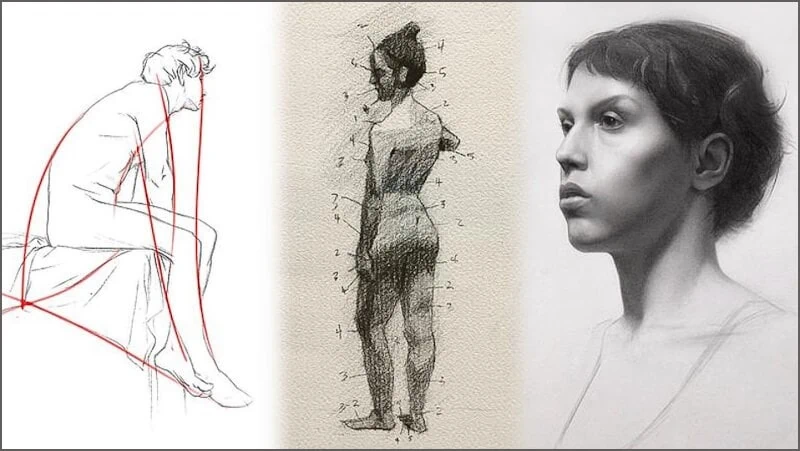
If you need more help with drawing, then I urge you to check out
Dorian Iten on Proko. His course is reasonably priced and inspiring
These are related articles :
- A Quick Guide to Framing on a Budget: No Fluff
- How to Make Picture Frame Mats With Watercolor Paper
- Where and How to Print Art Prints From Etsy (Downloads / Printables)
- What Are Limited Edition Prints? 12 Things You’ve Got to Know
- How to Frame Black and White Art Like a Pro
- 10 Easy Ways to Frame Black and White Art
- Repair Damaged Drawing Paper – 8 Ways to Rescue Your Artwork
- How to Make Prints of Your Art – Printing Art Explained in Detail
PIN THIS


Hi, I’m Kevin Hayler
I’ve been selling my wildlife art and traveling the world for over 20 years, and if that sounds too good to be true, I’ve done it all without social media, art school, or galleries!
I can show you how to do it. You’ll find a wealth of info on my site, about selling art, drawing tips, lifestyle, reviews, travel, my portfolio, and more. Enjoy